Introduction: The Evolutionary Path to Patient Empowerment
From primitive early tools to today’s sophisticated autoinjector systems, this development is more than just a story of technological progress. It’s a record of medicine’s lasting effort to empower patients. This evolution is driven by the need for precise, easy-to-access, and less scary drug delivery methods, and it has completely changed how we give medical treatments. In this article, we’ll explore the key historical milestones that led to the modern autoinjector. We’ll highlight major innovations in needle and syringe design, and look at the important shift in how these tools are used—from only medical professionals to patients self-administering at home.
1. The Ancient Foundations: Early Concepts of Drug Delivery
Long before modern medicine had precise treatment methods, early healers laid the basic conceptual groundwork for injection. Historical records show that in the 1st century, Roman and Greek surgeons tried using hollow reeds or simple metal tubes to put ointments into human body cavities. These methods were rough and not accurate, but they established a core idea: delivering therapeutic substances inside the body through a small conduit. A big, yet experimental, step forward came in the 17th century. Scientists like Christopher Wren used an animal bladder and a quill to do an intravenous injection on a dog. These early attempts were far from safe or reliable for humans, but they made people realize more and more that direct drug delivery into the body could be a powerful treatment method. This set the stage for more purposeful inventions in the future.
2. The 19th Century Revolution: Birth of the Hypodermic Syringe
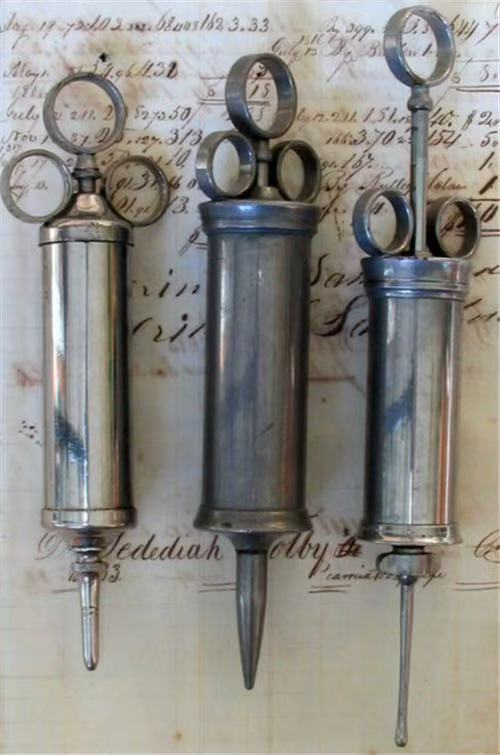
The true dawn of modern injection technology arrived in the 1800s with two pivotal inventions that solved the core mechanical challenges:
- The Hypodermic Needle (1844):Irish physician Francis Rynd invented the first hollow needle designed for human subcutaneous use. His creation allowed medication to be delivered reliablybeneaththe skin for targeted effect, moving beyond surface applications. This solved the “channel” problem—creating a path fine enough to minimize tissue damage while effectively delivering liquid therapy.
- The Integrated Syringe (1853):Scottish doctor Alexander Wood made the complementary breakthrough. By attaching a hollow needle to a graduated glass barrel with a fitted plunger, he created the first recognizable hypodermic syringe. This integrated system solved the “delivery” problem, enabling precise dose measurement and controlled administration. For the first time, physicians had a reliable tool for subcutaneous and intramuscular delivery, establishing the vial-and-syringe paradigm that dominated for over a century and served as the direct mechanical blueprint for all future injectors.
3. The Pre-Autoinjector Standard: The Vial, Syringe, and Wartime Innovation
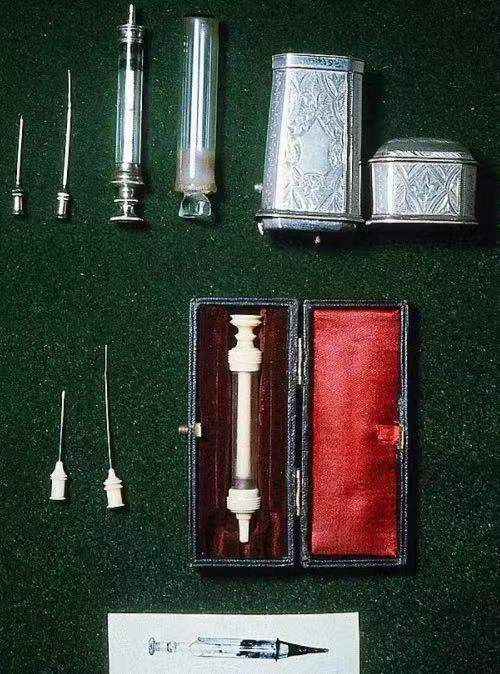
For decades following Wood’s invention, injection remained a multi-step, skill-dependent procedure. The standard practice involved drawing medication from a glass vial into a reusable syringe—a process prone to contamination and dosage errors. A major simplification came during World War II (1940s) with the pre-filled syringe. Originally developed for rapid, sterile administration of morphine on the battlefield, these single-use glass units contained a precise dose with an integrated needle. This innovation eliminated the need for vial access and manual dose measurement, dramatically reducing complexity and infection risk. The pre-filled syringe was a monumental leap toward patient-centric design, representing the most direct conceptual and mechanical precursor to the disposableauto injector. It proved that simplification and safety could be engineered into the drug container itself.
4. The Bioaura Perspective: Engineering the Next Chapter
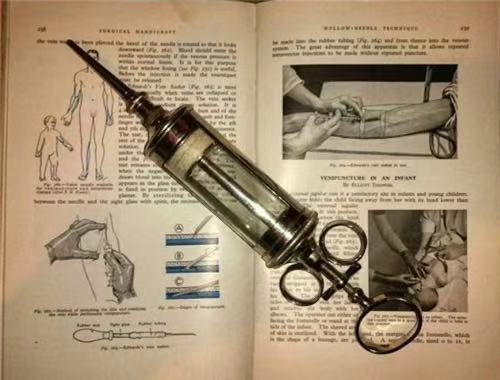
At Bioaura, we view this historical progression not merely as a timeline, but as a blueprint for meaningful innovation. The journey from Rynd’s hollow needle to today’s connected devices demonstrates that the most impactful advances solve real human challenges: fear, complexity, and inconsistency. Our approach to designing the next generation of auto injector syringe platforms is guided by this legacy. We focus on intuitive usability that minimizes steps and anxiety, robust reliability that ensures every dose is delivered as intended, and forward-thinking compatibility with digital health ecosystems. By partnering with pharmaceutical innovators, we aim to create devices that are more than delivery mechanisms—they are tools of empowerment, seamlessly integrating advanced therapies into patients’ lives and continuing the historic mission of making essential treatments more accessible, manageable, and effective.
Conclusion: A Legacy of Innovation Toward Patient-Centric Care
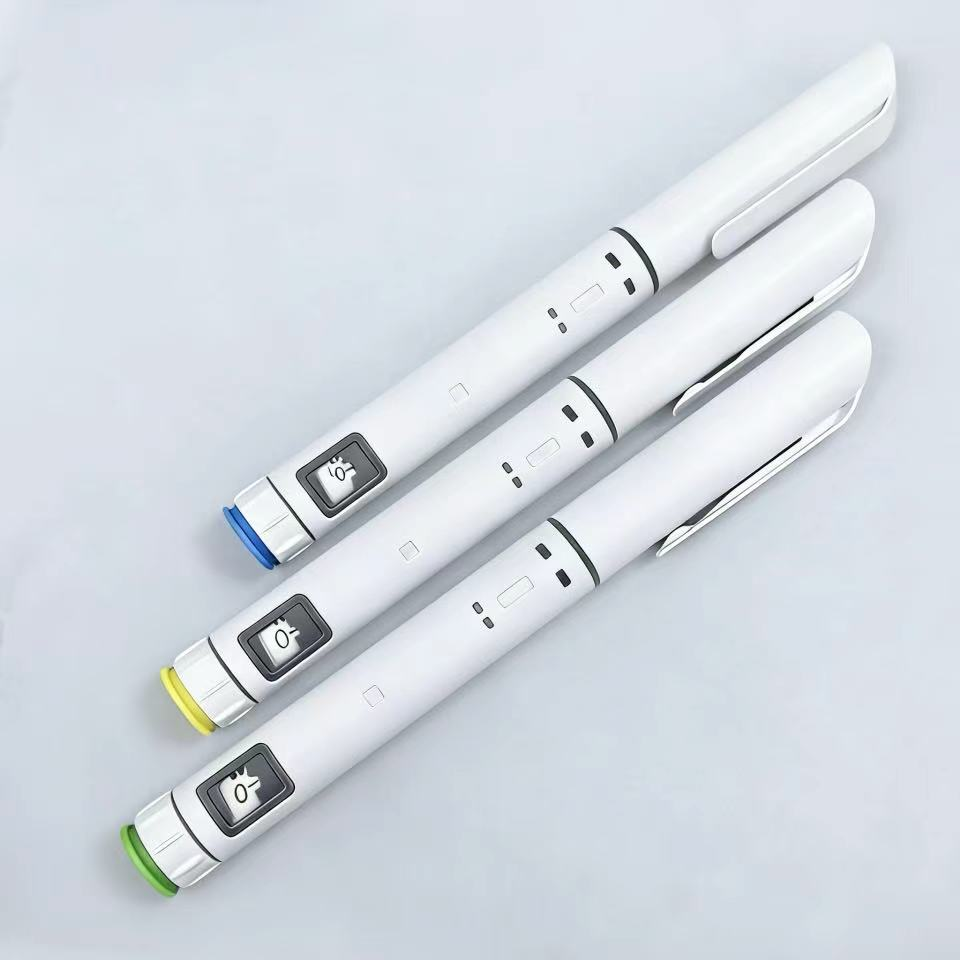
The history of injection technology is a clear narrative of democratization. Each major breakthrough—the hollow needle, the integrated syringe, the pre-filled unit—successfully transferred capability and control from medical practitioners to a broader circle of users, culminating in the patient-administered auto injector. This evolution has been essential for the rise of modern biologic therapies, which often require frequent, precise subcutaneous administration. Today’s auto injector is the result of centuries of problem-solving, embodying the principles of safety, simplicity, and reliability. As we look forward, the ongoing integration of smart technology and human-centric design promises to deepen this legacy, further transforming the auto injector syringe from a simple mechanical device into an intelligent partner in long-term health management, continuing the remarkable journey that began with a simple quest: to deliver healing, more effectively and compassionately.