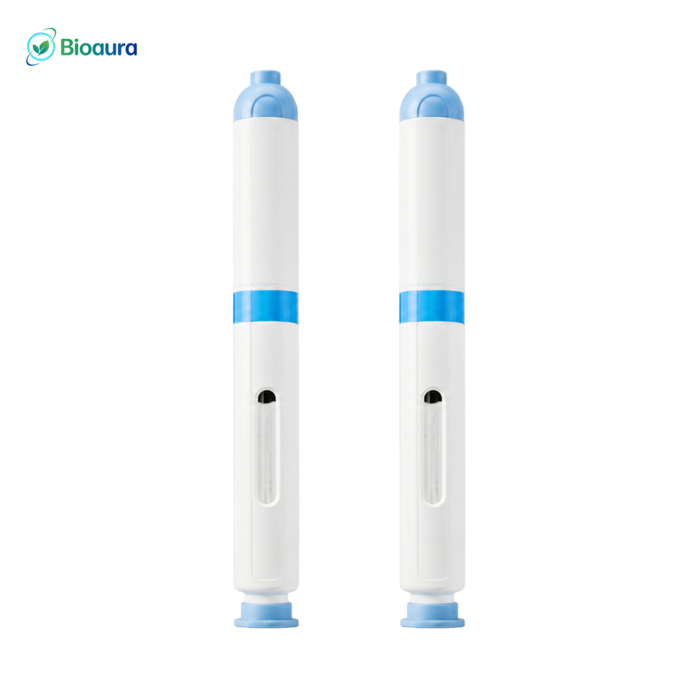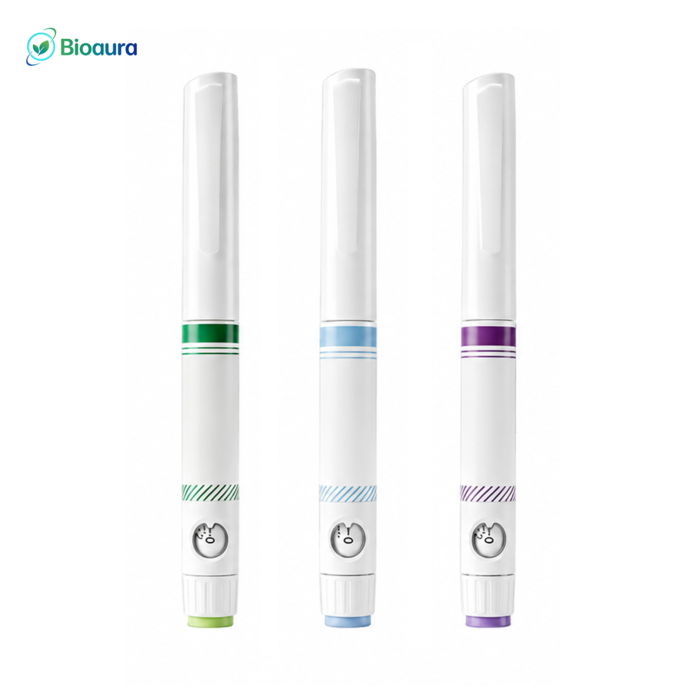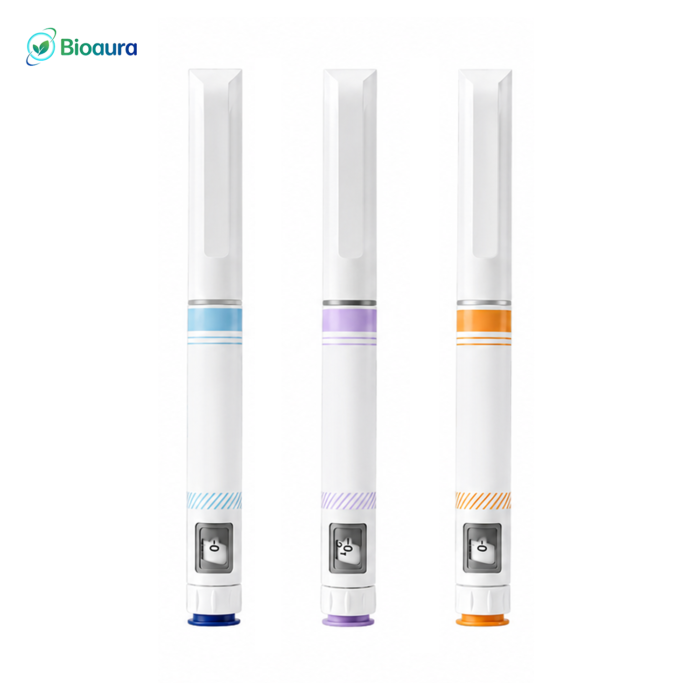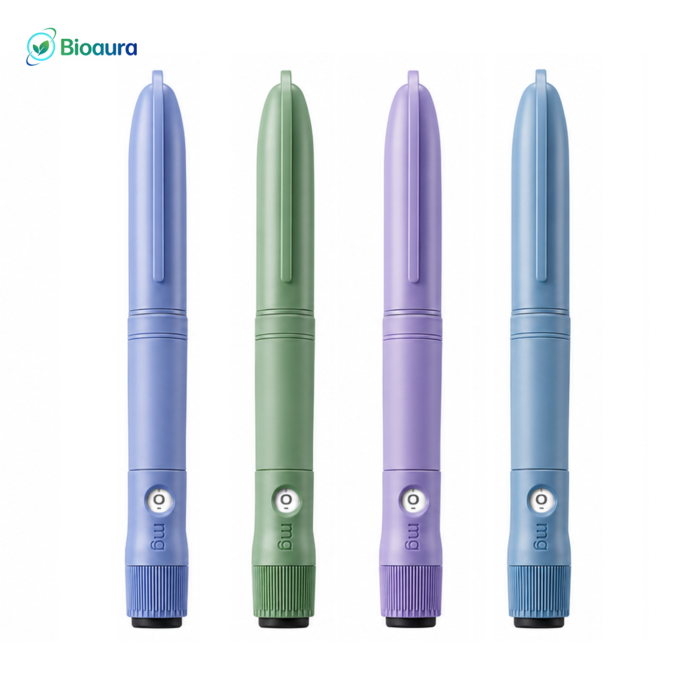
How to Choose a Reusable GLP-1 Pen Platform
The rapid expansion of the GLP-1 market is reshaping the landscape of injectable therapies. As pharmaceutical companies accelerate the development of obesity, diabetes, and metabolic disease treatments, selecting the right GLP-1 Pen Platform has become a critical strategic decision rather than a simple device procurement exercise.
For development teams, sourcing managers, and business development leaders, the question is no longer whether to adopt a GLP-1 Injection Pen, but how to choose a platform that supports future product growth, regulatory requirements, and patient expectations.
This article explores the key considerations when evaluating a Reusable GLP-1 Pen and why reusable platforms are becoming increasingly important in modern drug-device combination products.
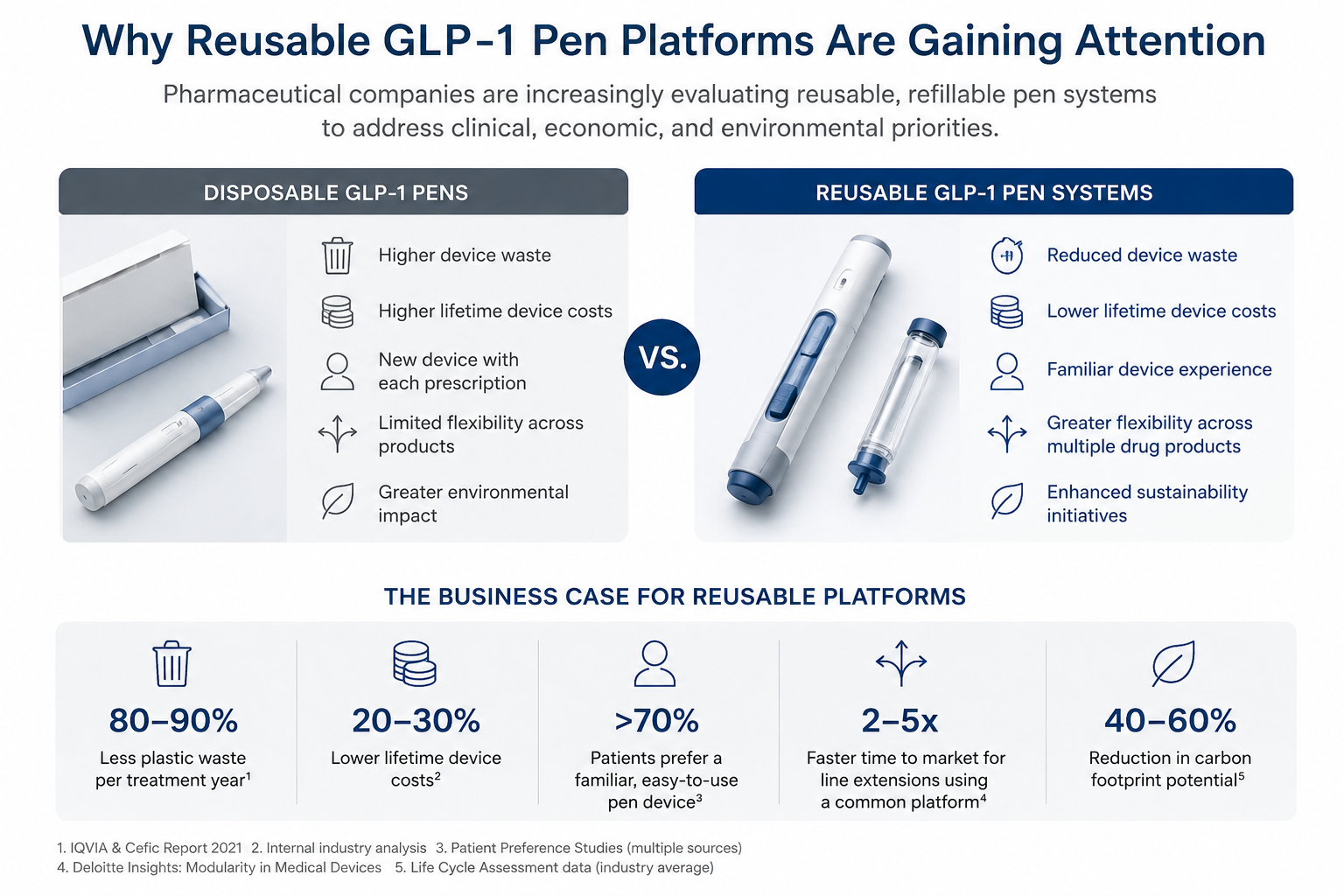
Why Reusable GLP-1 Pen Platforms Are Gaining Attention
The rise of long-term GLP-1 therapies has created new challenges for both pharmaceutical companies and patients.
Traditional disposable devices may offer convenience during early commercialization, but they can introduce concerns related to sustainability, supply chain complexity, and long-term treatment costs.
As a result, many organizations are exploring Reusable GLP-1 Pen Systems that utilize replaceable cartridges while maintaining a consistent user experience.
Compared with disposable alternatives, a Refillable GLP-1 Pen may offer advantages including:
- Reduced device waste
- Lower lifetime device costs
- Improved patient familiarity
- Greater flexibility across multiple drug products
- Enhanced sustainability initiatives
These benefits are particularly relevant as pharmaceutical companies evaluate future GLP-1 Device Opportunities and seek scalable solutions for expanding portfolios.
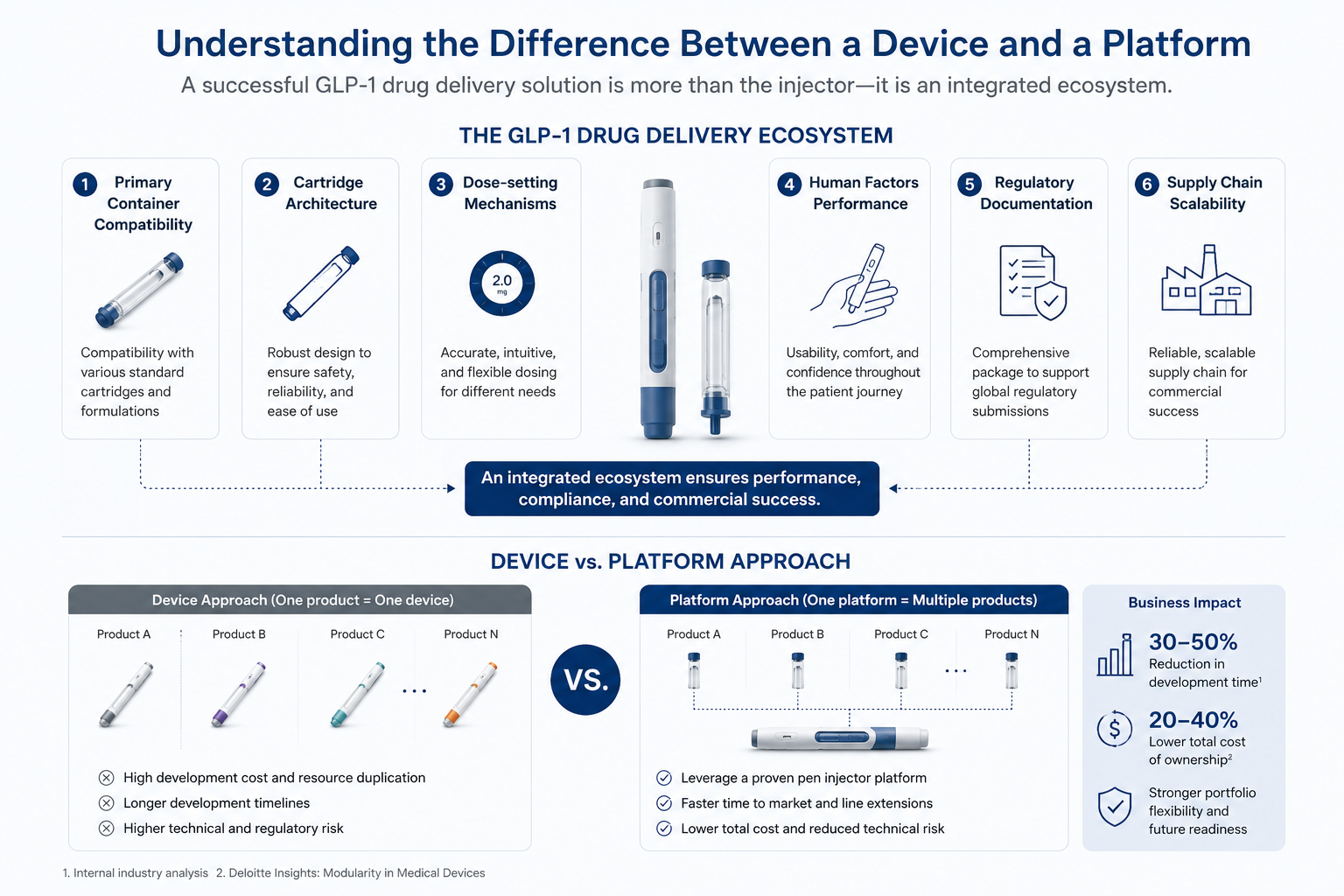
Understanding the Difference Between a Device and a Platform
One common mistake during device selection is focusing solely on the injector itself.
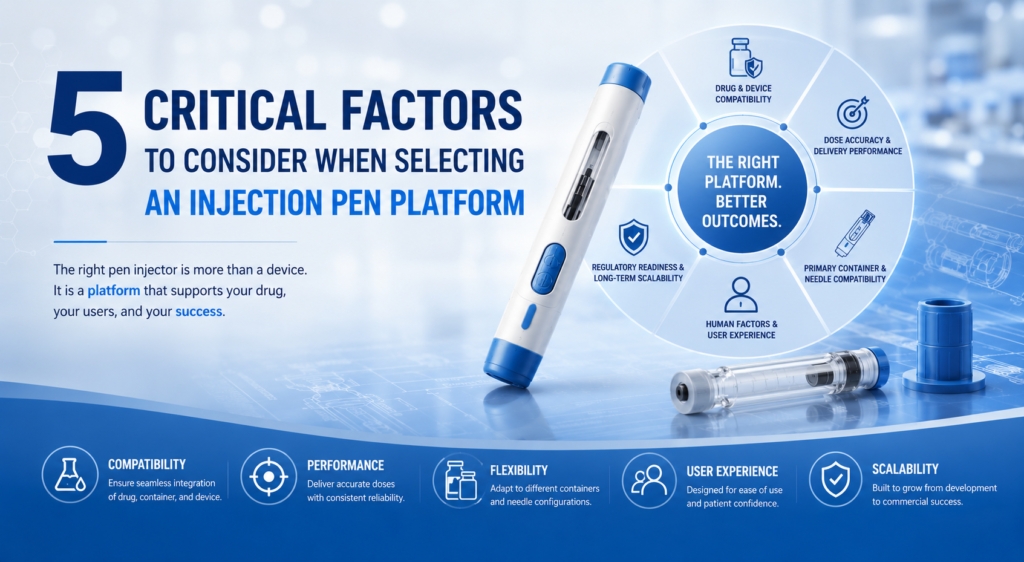
A successful GLP-1 Drug Delivery Device should be evaluated as part of a broader ecosystem that includes:
- Primary container compatibility
- Cartridge architecture
- Dose-setting mechanisms
- Human factors performance
- Regulatory documentation
- Supply chain scalability
This is where the concept of a Reusable Pen Platform becomes important.
Rather than developing a new injector for every therapy, companies can leverage a proven Pen Injector Platform that supports multiple products and future line extensions.
For organizations pursuing long-term portfolio growth, choosing a reusable platform can significantly reduce development timelines and technical risk.
Key Criteria for Choosing a Reusable GLP-1 Pen Platform
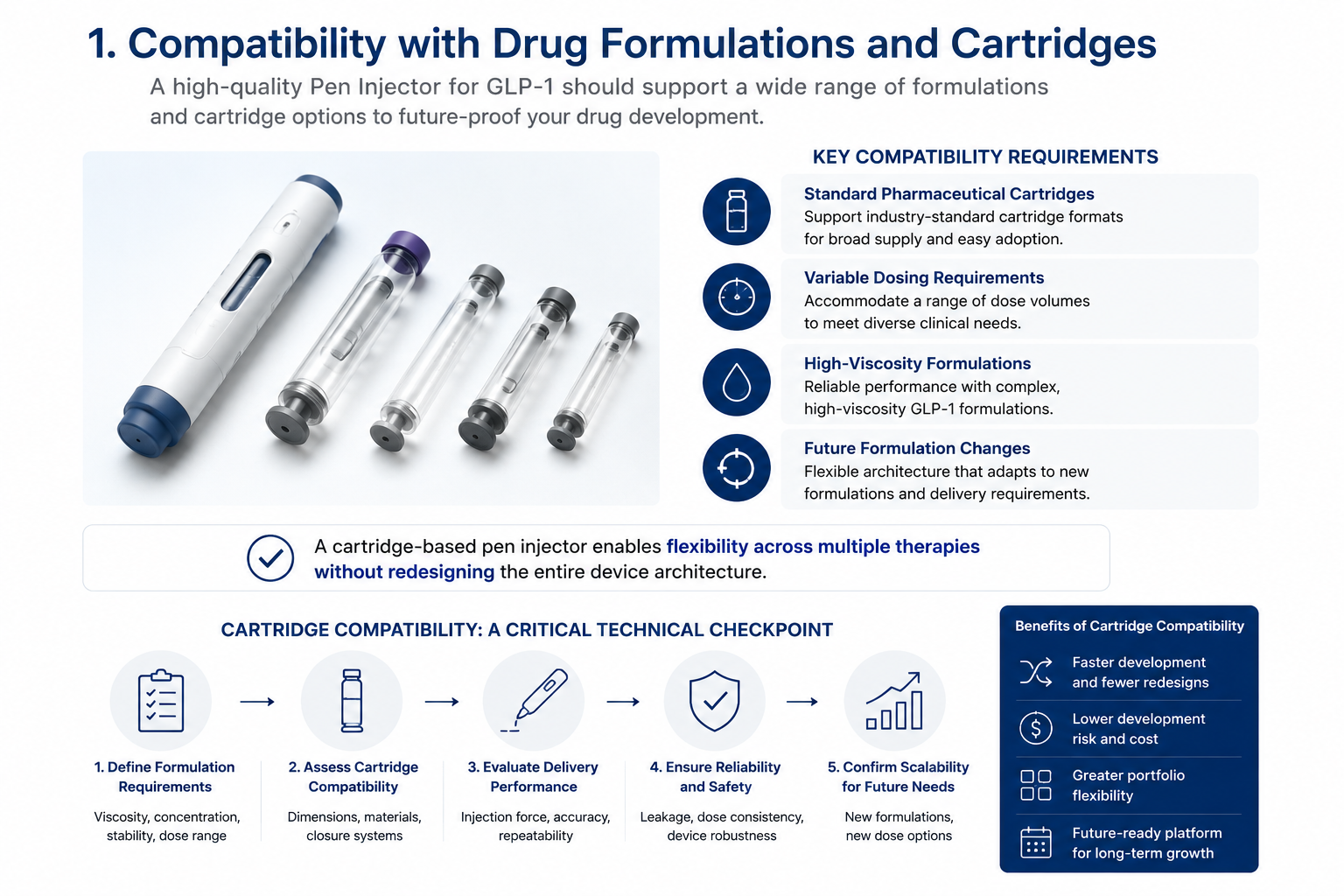
1. Compatibility with Drug Formulations and Cartridges
Not all injectors are suitable for every formulation.
A high-quality Pen Injector for GLP-1 should support:
- Standard pharmaceutical cartridges
- Variable dosing requirements
- High-viscosity formulations
- Future formulation changes
Many development teams prioritize a Cartridge Based Pen Injector because it enables flexibility across different therapies without redesigning the entire device architecture.
When conducting an Injection Device Evaluation, cartridge compatibility should be one of the first technical checkpoints.
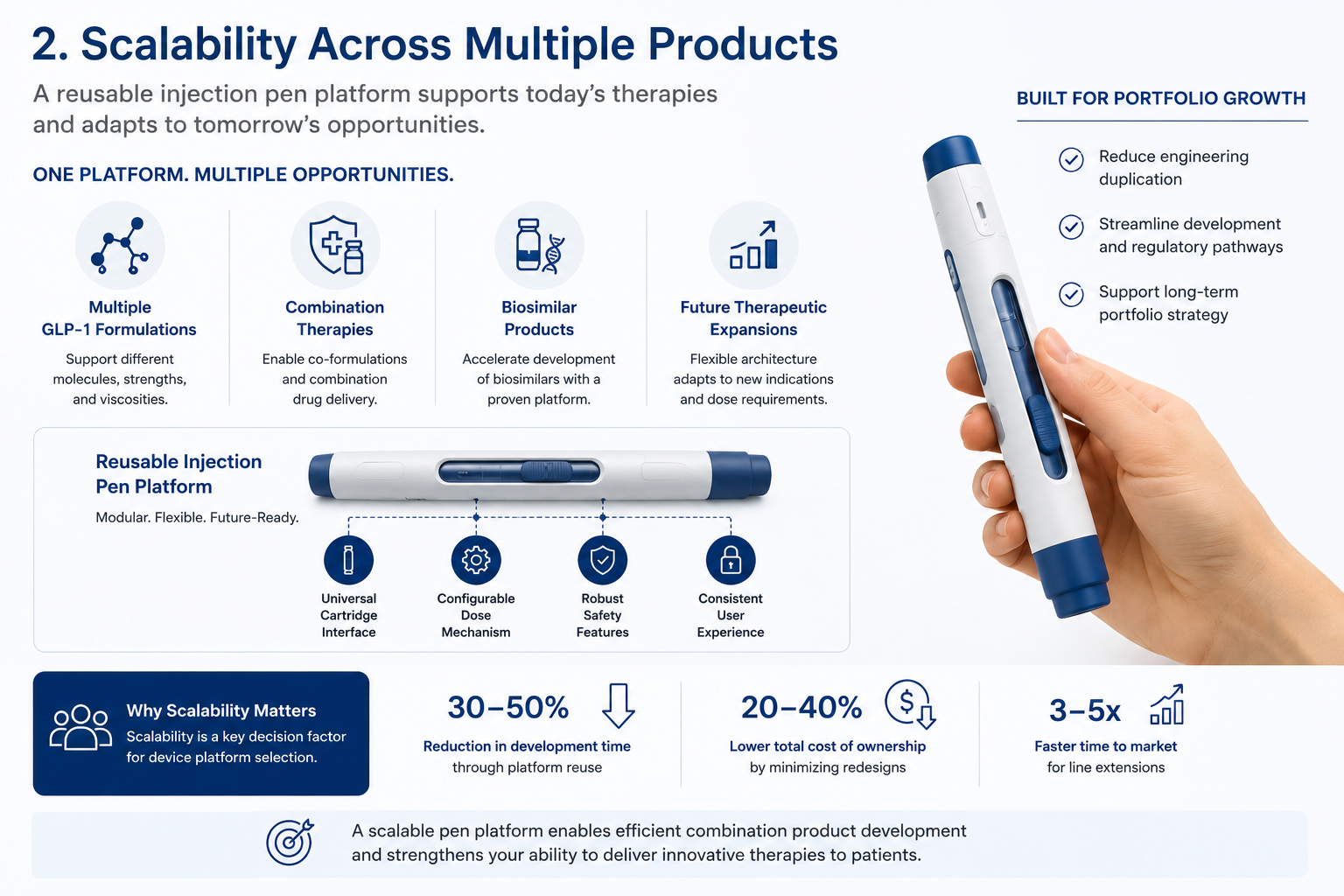
2. Scalability Across Multiple Products
Many pharmaceutical companies are no longer developing a single GLP-1 therapy.
They are building broader metabolic and chronic disease portfolios.
A well-designed Reusable Injection Pen can potentially support:
- Multiple GLP-1 formulations
- Combination therapies
- Biosimilar products
- Future therapeutic expansions
This approach reduces engineering duplication and supports more efficient Combination Product Development programs.
For project teams focused on long-term portfolio planning, scalability is often a decisive factor during Device Platform Selection.
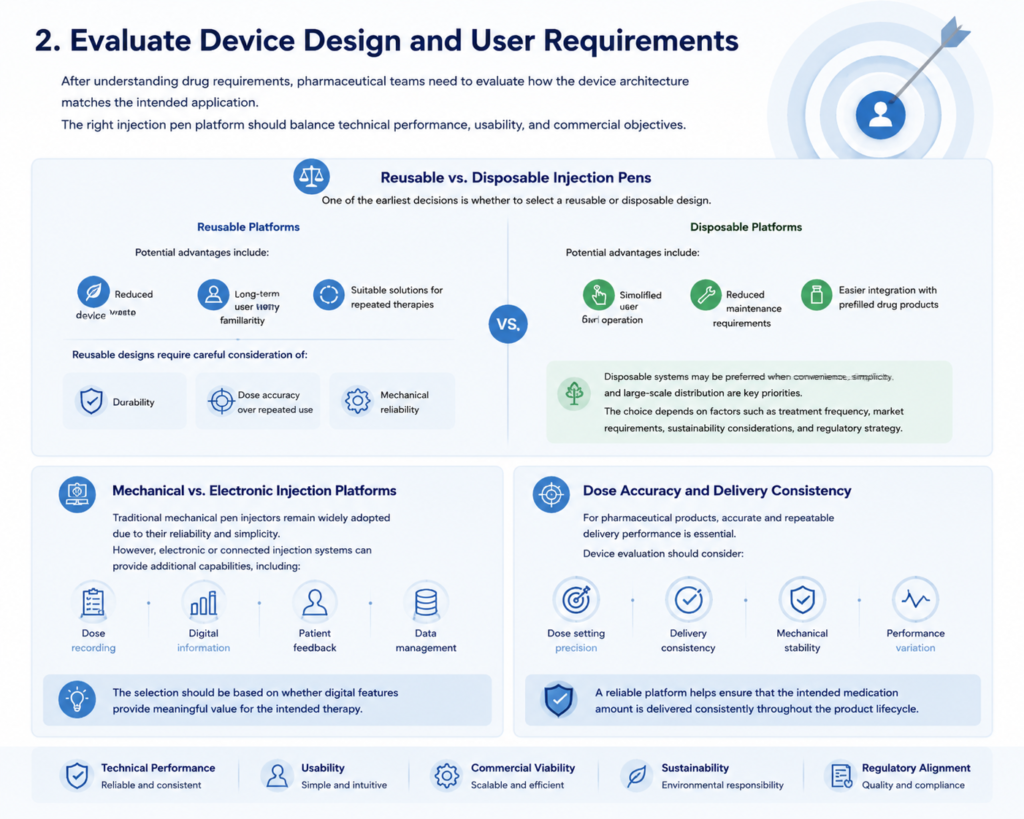
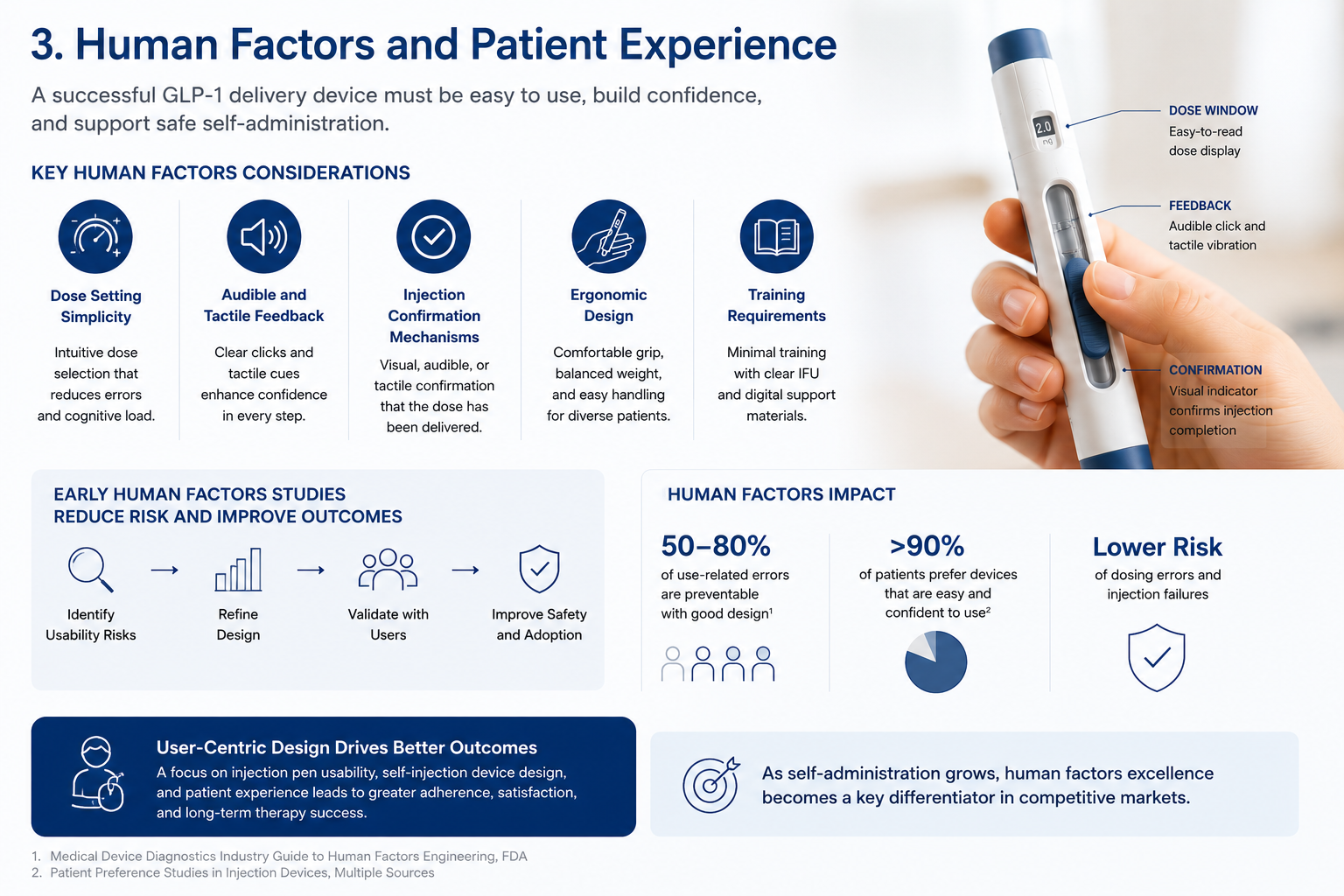
3. Human Factors and Patient Experience
Regulatory agencies increasingly emphasize usability and patient safety.
The most technically advanced injector may still fail if patients struggle to use it correctly.
When evaluating a GLP-1 Delivery Device, organizations should assess:
- Dose setting simplicity
- Audible and tactile feedback
- Injection confirmation mechanisms
- Ergonomic design
- Training requirements
Effective Human Factors Injection Pen studies can identify usability risks early in development.
A successful device should support Injection Pen Usability while promoting User Centric Drug Delivery principles.
As self-administration continues to expand, Self Injection Device Design is becoming a major differentiator in competitive markets.
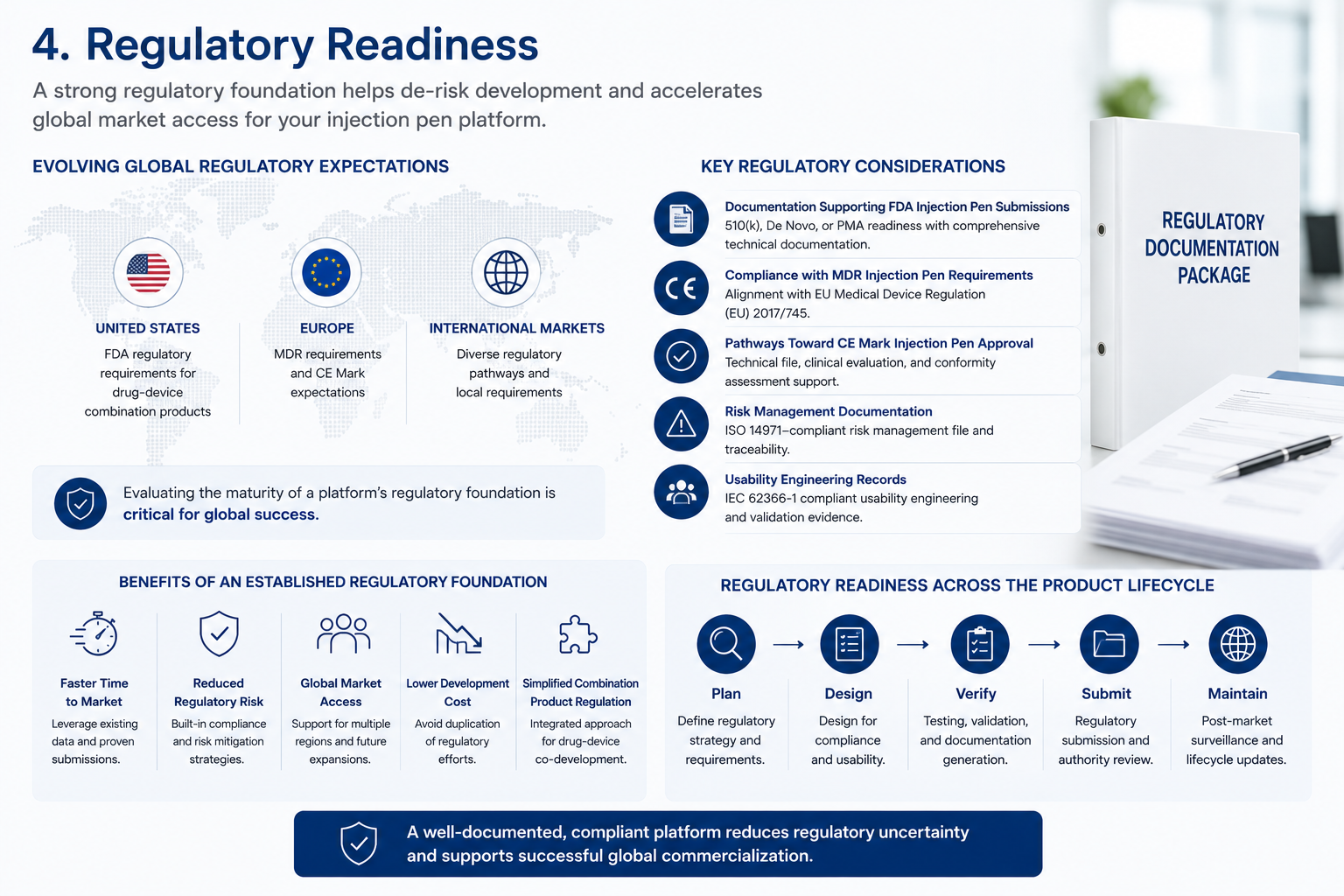
4. Regulatory Readiness
Regulatory expectations for drug-device combination products continue to evolve globally.
Whether targeting the United States, Europe, or other international markets, development teams should evaluate the maturity of a platform’s regulatory foundation.
Important considerations include:
- Documentation supporting FDA Injection Pen submissions
- Compliance with MDR Injection Pen requirements
- Pathways toward CE Mark Injection Pen approval
- Risk management documentation
- Usability engineering records
For many companies, leveraging an established platform can simplify aspects of Combination Product Regulation and reduce regulatory uncertainty.
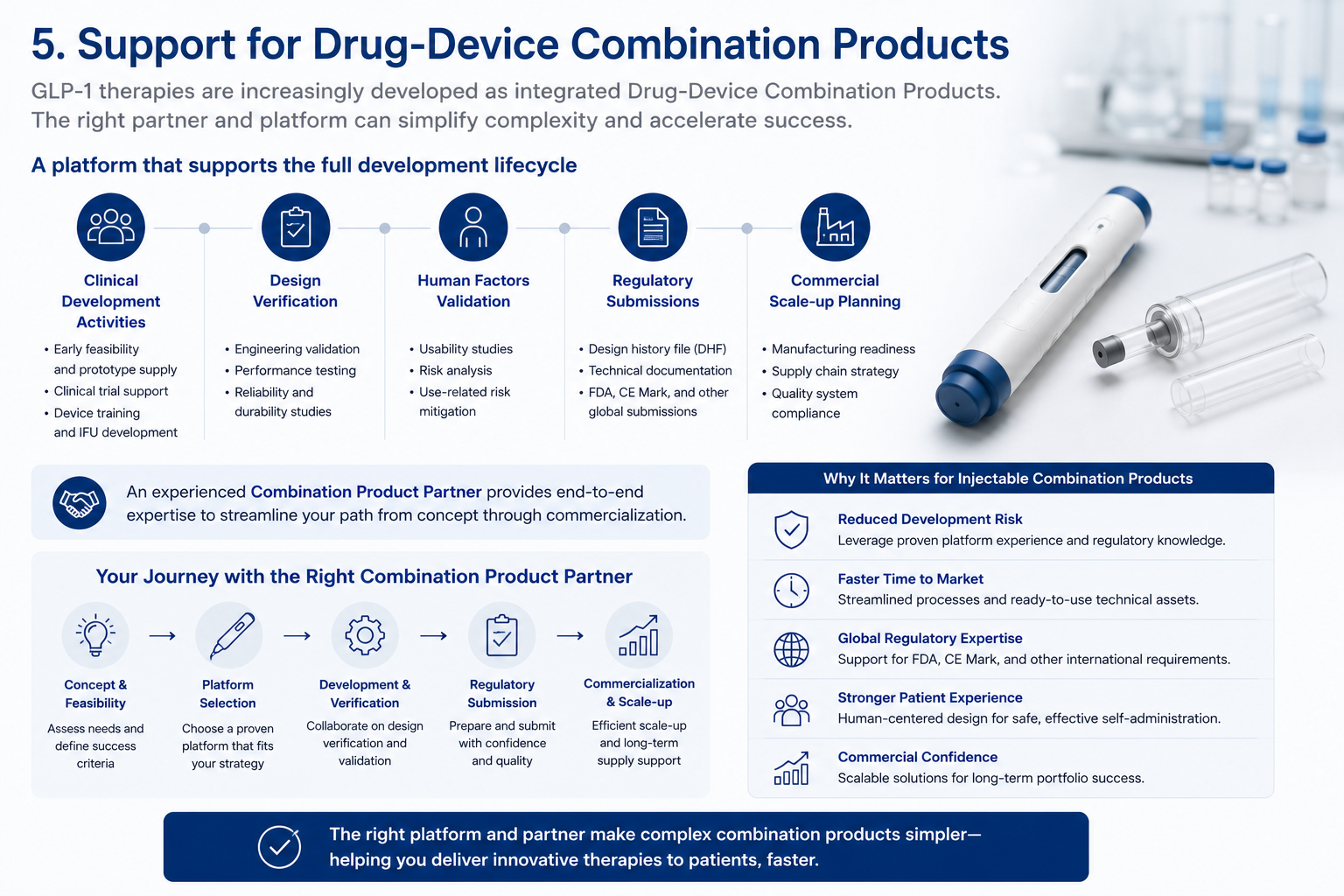
5. Support for Drug-Device Combination Products
Today’s GLP-1 therapies are increasingly developed as integrated Drug Device Combination Products.
Therefore, selecting a supplier should involve more than evaluating hardware specifications.
Development teams should consider whether a platform supports:
- Clinical development activities
- Design verification
- Human factors validation
- Regulatory submissions
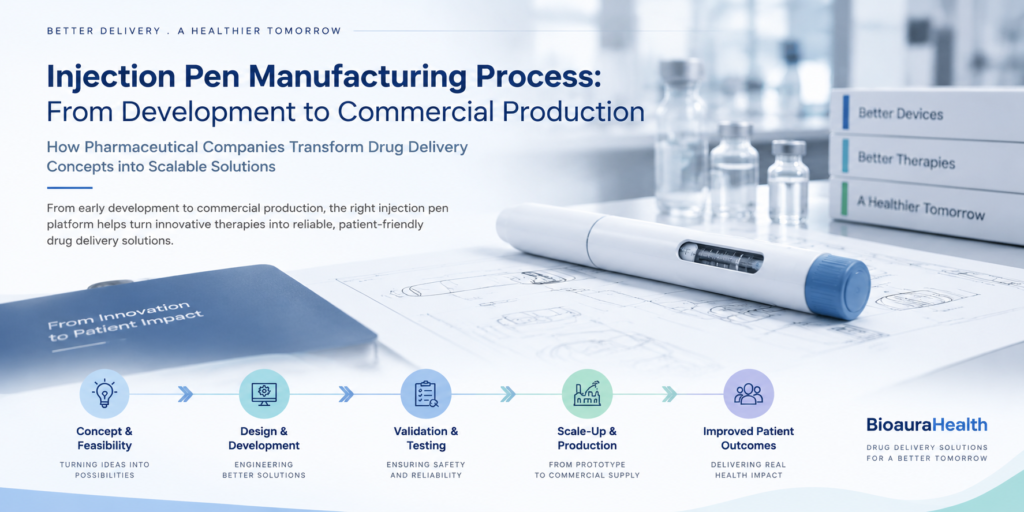
- Commercial scale-up planning
An experienced Combination Product Partner can help streamline the journey from concept through commercialization.
This is particularly important for companies seeking efficient pathways for Injectable Combination Products.
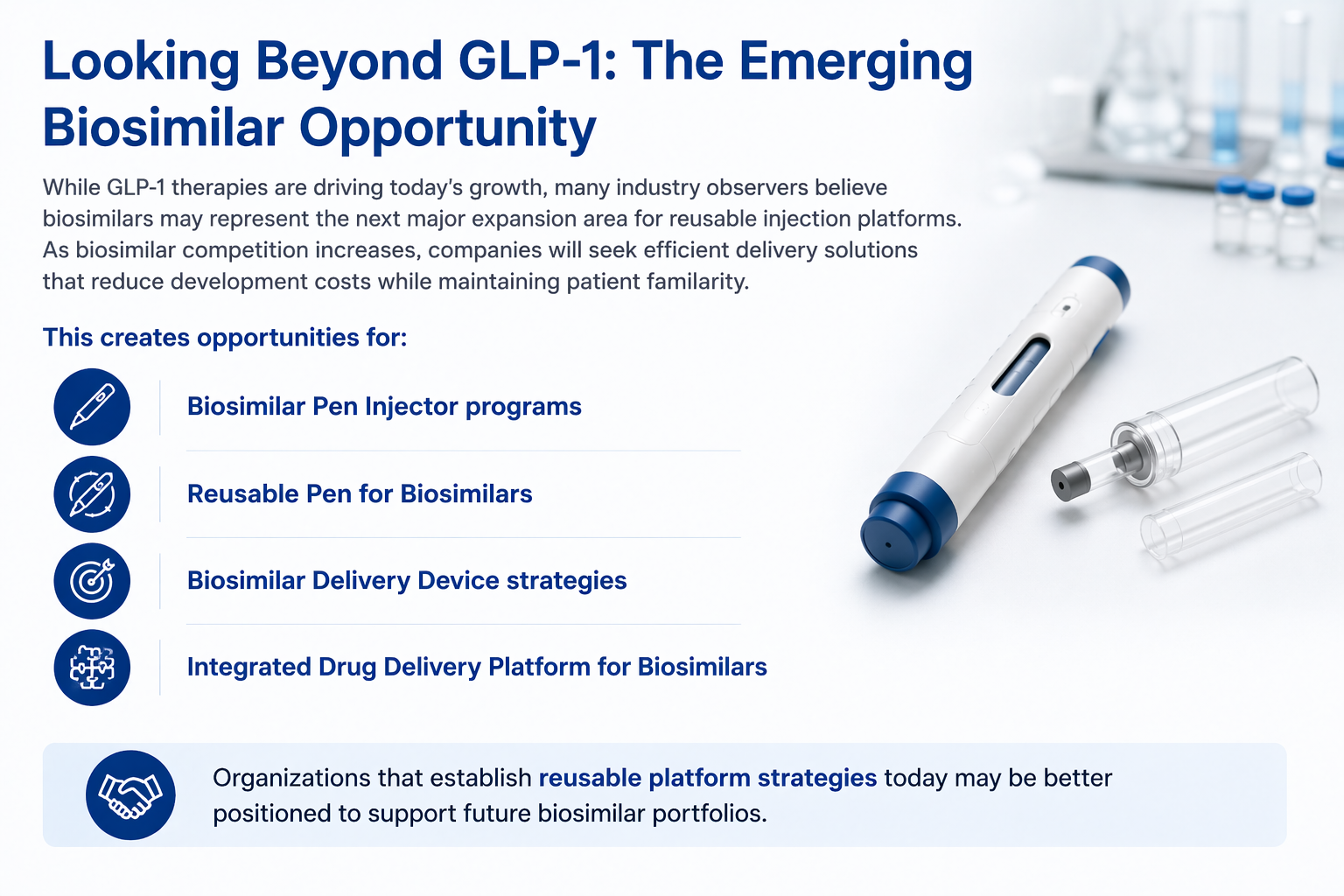
Looking Beyond GLP-1: The Emerging Biosimilar Opportunity
While GLP-1 therapies are driving today’s growth, many industry observers believe biosimilars may represent the next major expansion area for reusable injection platforms.
As biosimilar competition increases, companies will seek efficient delivery solutions that reduce development costs while maintaining patient familiarity.
This creates opportunities for:
- Biosimilar Pen Injector programs
- Reusable Pen for Biosimilars
- Biosimilar Delivery Device strategies
- Drug Delivery Platform for Biosimilars
Organizations that establish reusable platform strategies today may be better positioned to support future biosimilar portfolios.
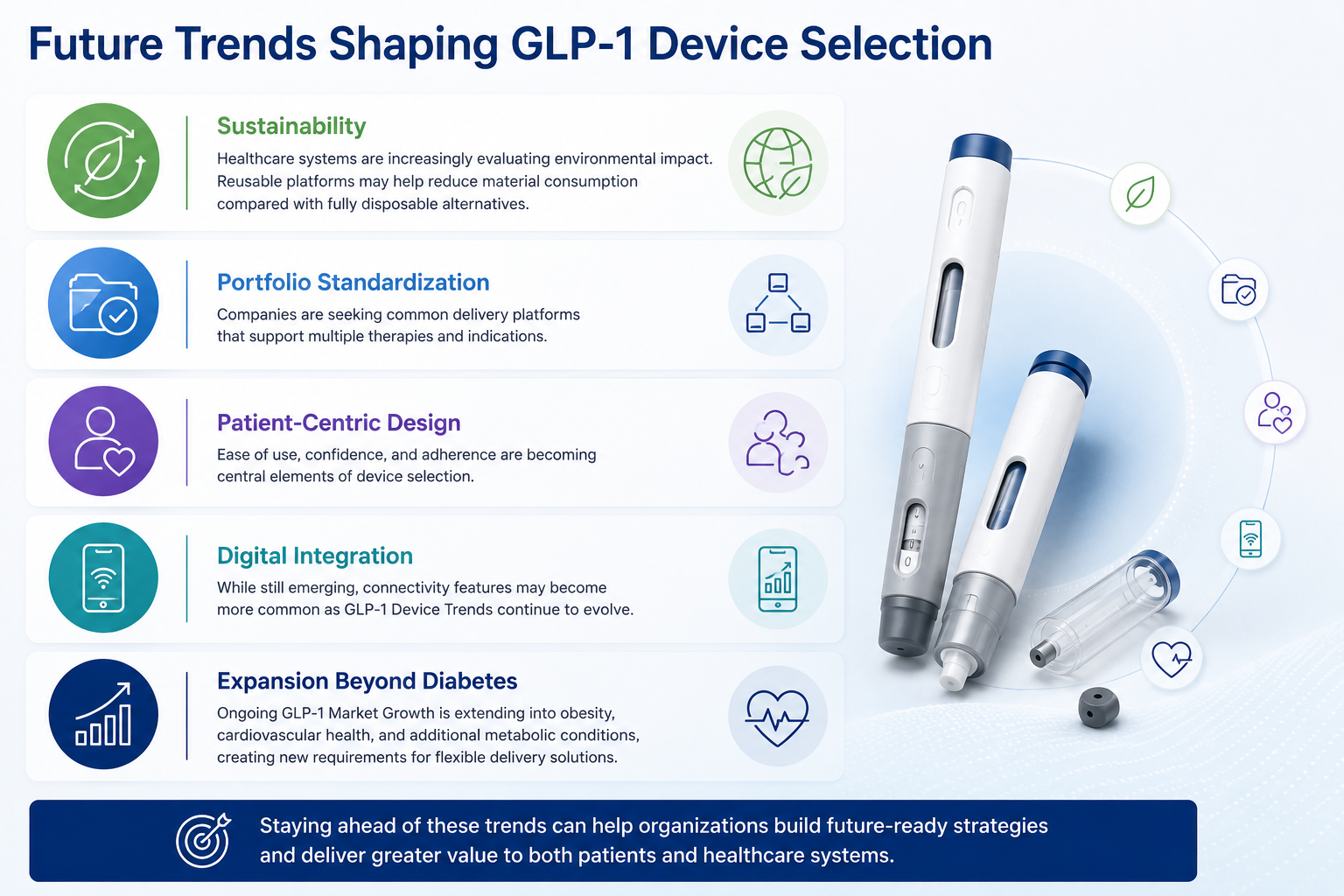
Future Trends Shaping GLP-1 Device Selection
Sustainability
Healthcare systems are increasingly evaluating environmental impact. Reusable platforms may help reduce material consumption compared with fully disposable alternatives.
Portfolio Standardization
Companies are seeking common delivery platforms that support multiple therapies and indications.
Patient-Centric Design
Ease of use, confidence, and adherence are becoming central elements of device selection.
Digital Integration
While still emerging, connectivity features may become more common as GLP-1 Device Trends continue to evolve.
Expansion Beyond Diabetes
Ongoing GLP-1 Market Growth is extending into obesity, cardiovascular health, and additional metabolic conditions, creating new requirements for flexible delivery solutions.
Conclusion
Choosing the right Reusable GLP-1 Pen Platform is a strategic decision that impacts product development, regulatory success, patient experience, and long-term portfolio growth.
Rather than focusing solely on a single GLP-1 Injection Pen, pharmaceutical companies should evaluate broader platform capabilities, including cartridge compatibility, usability, regulatory readiness, and scalability across future therapies.
As GLP-1 Delivery Trends continue to accelerate, organizations that adopt flexible and reusable delivery strategies may gain a significant advantage in bringing innovative therapies to market efficiently and sustainably.
For development teams evaluating a new GLP-1 Drug Delivery Device, the goal should not simply be selecting a device—it should be selecting a platform capable of supporting the next generation of combination products and patient-centered care.