Introduction: The Global Health Challenge Redefining Drug Delivery
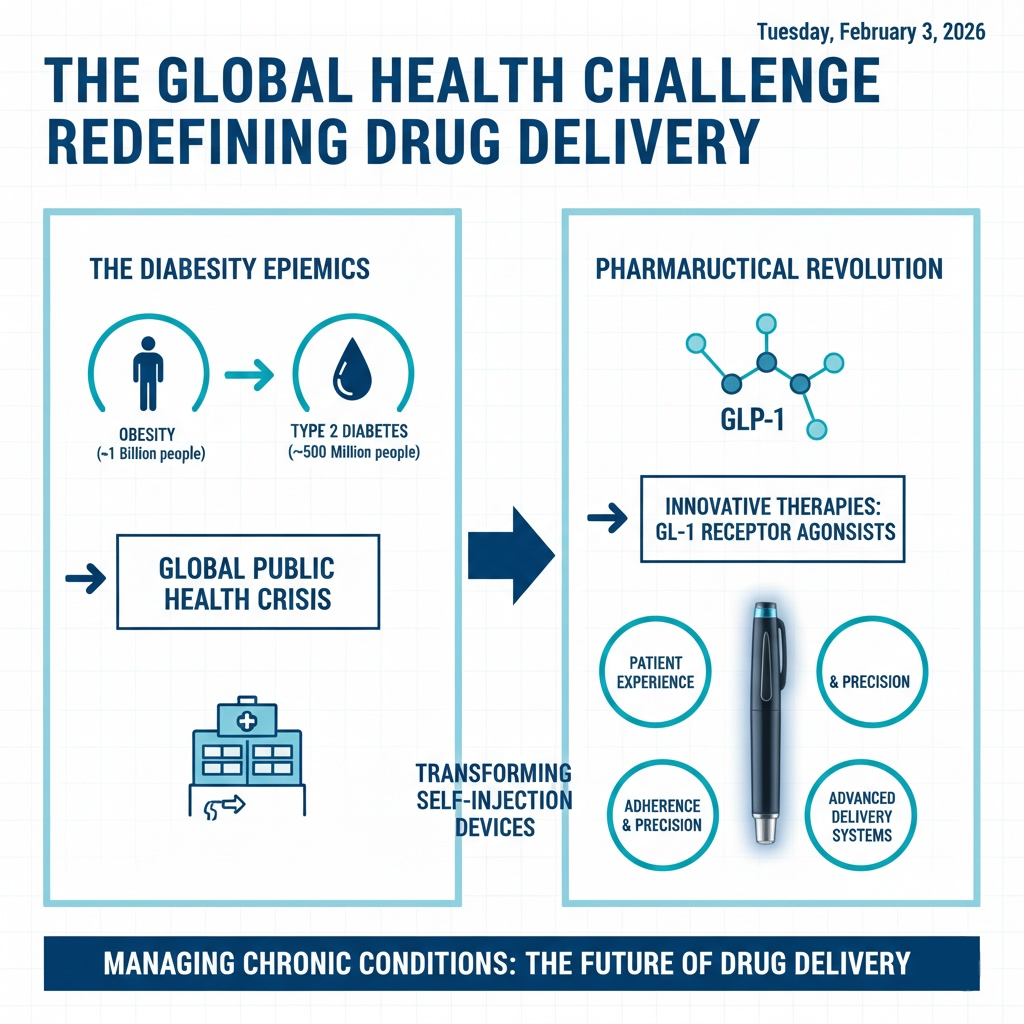
The convergence of the global obesity and type 2 diabetes (T2D) epidemics—a condition often termed “diabesity” —represents one of the most pressing public health challenges of our time. With over 1 billion people living with obesity and ~500 million with T2D worldwide, the strain on healthcare systems is immense. This dual crisis has catalyzed a pharmaceutical revolution, most notably in the development of highly effective GLP-1 receptor agonists. However, the success of these innovative therapies is inextricably linked to the devices that deliver them. The rise of diabesity is not just reshaping drug development; it is fundamentally transforming the landscape of self-injection devices, driving unprecedented demand for advanced autoinjector systems and sophisticated pen injectors that prioritize patient experience, adherence, and precision.
1. The Diabesity Phenomenon and Its Healthcare Impact
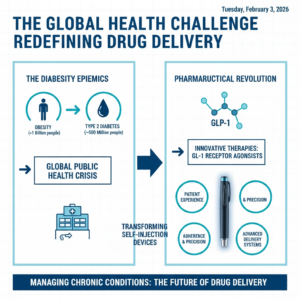
Diabesity describes the intertwined pathophysiological relationship between obesity and diabetes, where visceral adiposity leads to insulin resistance. This synergy creates a massive patient population with complex, chronic care needs. The economic burden is staggering, as treating the cascade of related comorbidities—including cardiovascular disease, hypertension, and certain cancers—consumes a significant portion of healthcare budgets.
- Key Statistic: In the U.S., approximately 35% of adults are obese, with European rates ranging from 10-25%. Critically, there is a 15-30% overlap between T2D and obesity populations globally, indicating millions are at high risk for disease progression.
- The Treatment Imperative: Effectively managing obesity is now recognized as a primary strategy to curb the rise of T2D and its life-threatening complications. This preventative approach has shifted the treatment paradigm and opened a vast market for chronic weight management therapies, many of which are injectable.
2. The GLP-1 Revolution: From Diabetes to Obesity Management
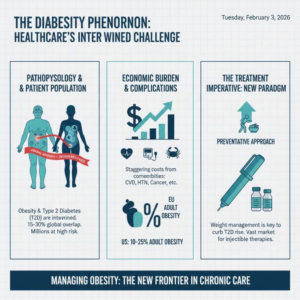
The introduction of GLP-1 receptor agonists marked a turning point. Beginning with twice-daily exenatide (2005), the evolution toward once-weekly, liquid-stable formulations like semaglutide and tirzepatide has been a game-changer for patient convenience and adherence.
- Market Expansion: Initially approved for T2D, higher-dose versions of these peptides (e.g., semaglutide for obesity) have demonstrated remarkable efficacy in weight management, legitimizing pharmacology as a core treatment for obesity.
- Patient Population Growth: An estimated 15 million patients are currently treated with GLP-1s. Analysts project this number could exceed 60 million within a decade, surpassing the current global population of insulin-dependent diabetics. This exponential growth is the core driver for injection device demand.
3. Device Evolution: Pens vs. Autoinjectors
The choice between a multi-dose pen and a single-use autoinjector is dictated by the drug’s molecular structure and formulation.
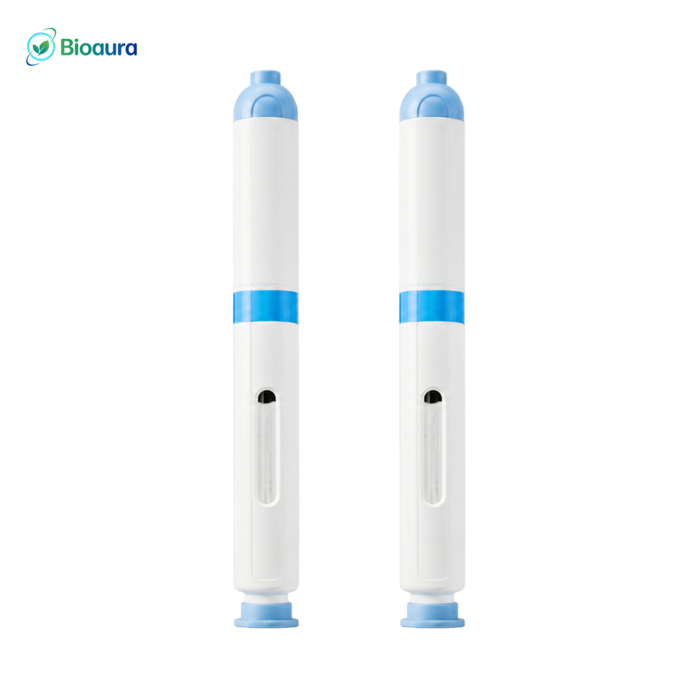
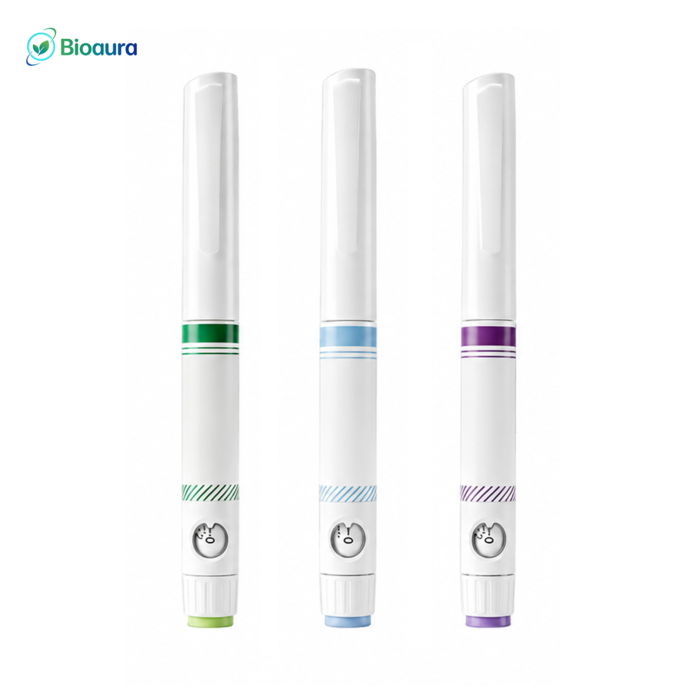
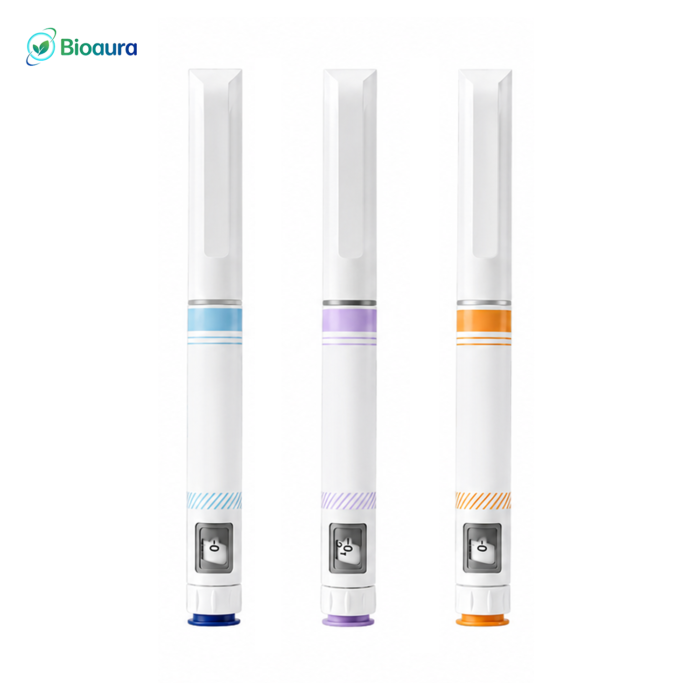
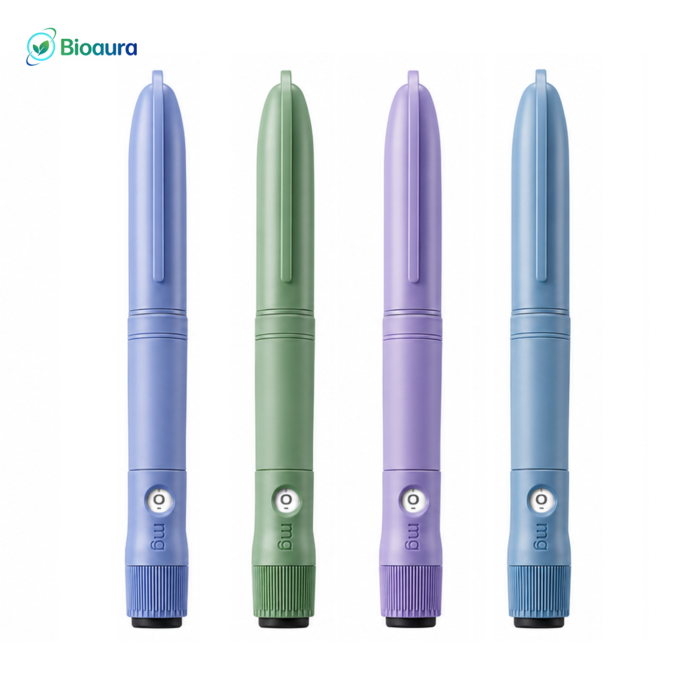
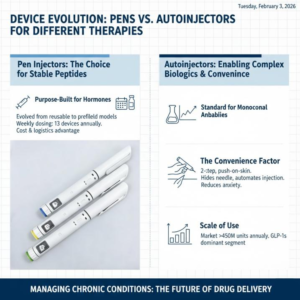
• Pen Injectors: The Choice for Stable Peptides
Purpose-Built for Hormones: Pen devices, evolving from reusable to prefilled models, were pioneered for daily insulin needle-based administration. They are ideal for preserved, multi-dose formulations of stable peptides like insulin and some GLP-1s (e.g., semaglutide).
Patient Economics: For weekly dosing, a single 4-dose pen requires only 13 devices per patient annually, offering logistical and potential cost advantages over single-use systems.
• Autoinjectors: Enabling Complex Biologics
The Standard for Monoclonal Antibodies: Autoinjectors are essential for drugs that cannot be preserved, such as monoclonal antibodies (e.g., for autoimmune diseases) and some GLP-1 analogs (e.g., dulaglutide). They guarantee sterility and precise, full-dose delivery from a staked-needle prefilled syringe.
The Convenience Factor: Modern 2-step, push-on-skin autoinjectors offer superior simplicity—hiding the insulin needle, automating injection, and reducing user anxiety. This is critical for ensuring adherence in broader, less device-experienced patient populations entering obesity treatment.
Scale of Use:Theautoinjector market now exceeds 450 million units annually, with GLP-1 therapies becoming a dominant segment.
4. The Critical Role of Device Design
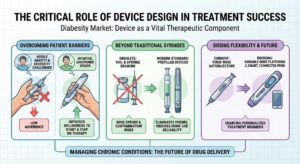
In the diabesity market, the device is not just a container; it is a vital component of therapeutic success.
- Overcoming Barriers: Many patients new to injectable therapies have needle anxiety (a concern addressed by hidden insulin needle designs in autoinjectors) or dexterity challenges. Intuitive, ergonomic design directly impacts a patient’s willingness to start and stay on therapy.
- Beyond Traditional Diabetic Syringes: The era of vial-and-diabetic syringe drawing is largely obsolete for these advanced therapies. Today’s prefilled devices eliminate dose measurement errors and contamination risks, providing the safety and reliability required for home use.
- Dosing Flexibility: While autoinjectors typically deliver a fixed dose, the ongoing development of variable-dose autoinjector platforms and smart, connected pens is setting the stage for more personalized treatment regimens.
5. The Future: Next-Generation Innovation
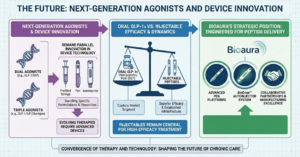
The pharmaceutical pipeline promises even more advanced therapies, which will demand parallel innovation in device technology.
- Dual and Triple Agonists: Molecules like tirzepatide (a GLP-1/GIP dual agonist) are just the beginning. Triple agonists targeting GLP-1, GIP, and glucagon are in development, requiring devices that can handle their specific formulations.
- Oral GLP-1s and Market Dynamics: The anticipated arrival of new oral gliprons (non-peptide GLP-1 agonists) post-2027 may capture a market segment. However, the superior efficacy often associated with injectable peptides and the established infrastructure for injection devices suggest autoinjectors and pens will remain central for high-efficacy treatment.
- Bioaura’s Strategic Position: At Bioaura, we are at the forefront of this convergence. Our comprehensive portfolio, including advanced pen platforms and next-generation auto injector systems like our BioauraHealth Auto injector, is engineered specifically for the needs of peptide hormone delivery. We focus on human-centric design that reduces injection friction , manufacturing excellence to support global scale, and collaborative partnerships to co-create solutions for the next wave of incretin therapies.
Conclusion: Delivering on the Promise
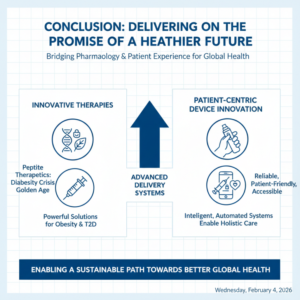
The diabesity crisis has undeniably fueled a golden age for peptide therapeutics. Yet, their potential can only be fully realized with delivery devices that are equally innovative, reliable, and patient-friendly. The shift from simple diabetic syringes to intelligent, automated systems reflects a broader commitment to holistic patient care. As science continues to deliver more powerful solutions for obesity and T2D, the device industry’s role will be to ensure these life-changing treatments are accessible, manageable, and acceptable for every patient. By bridging the gap between breakthrough pharmacology and everyday lived experience, advanced autoinjector and pen technologies are not merely delivering drugs—they are enabling a sustainable path toward better global health.
Partner with Bioaura for the Next Generation
© 2026 Bioaura. All rights reserved.