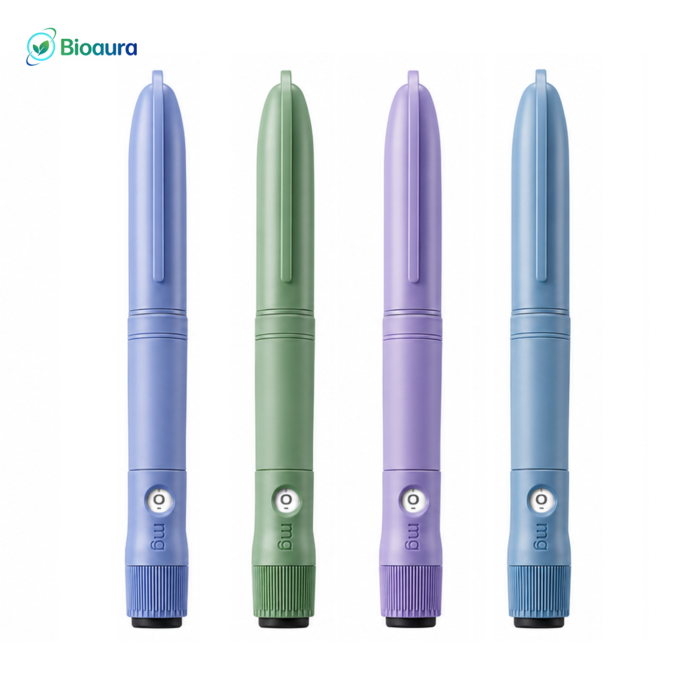
How to Select the Right Injection Pen Platform for Pharmaceutical Development
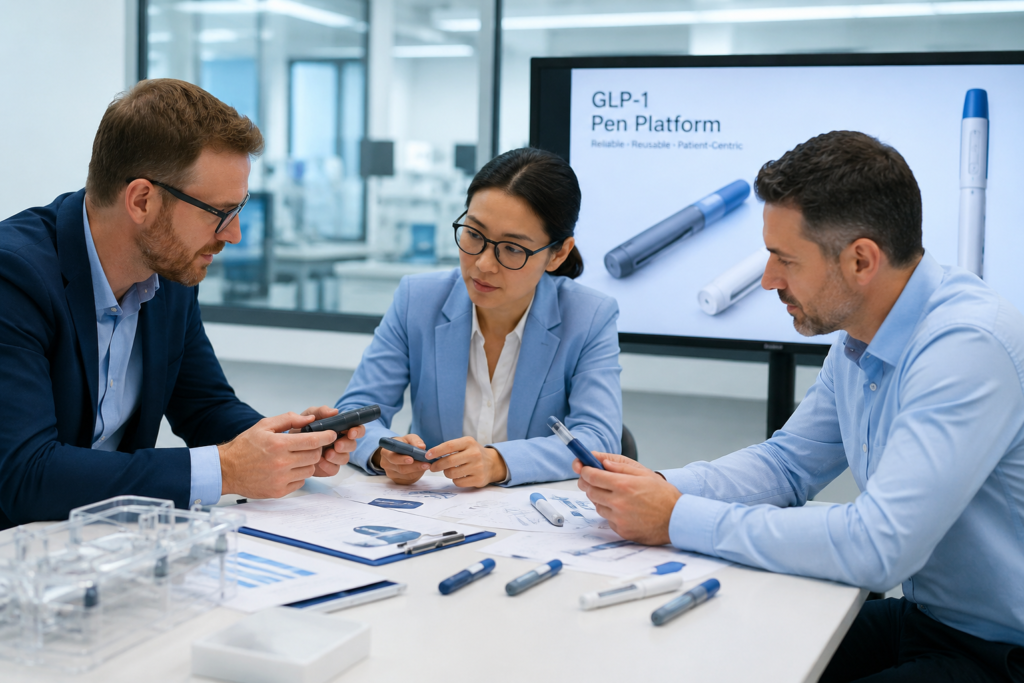
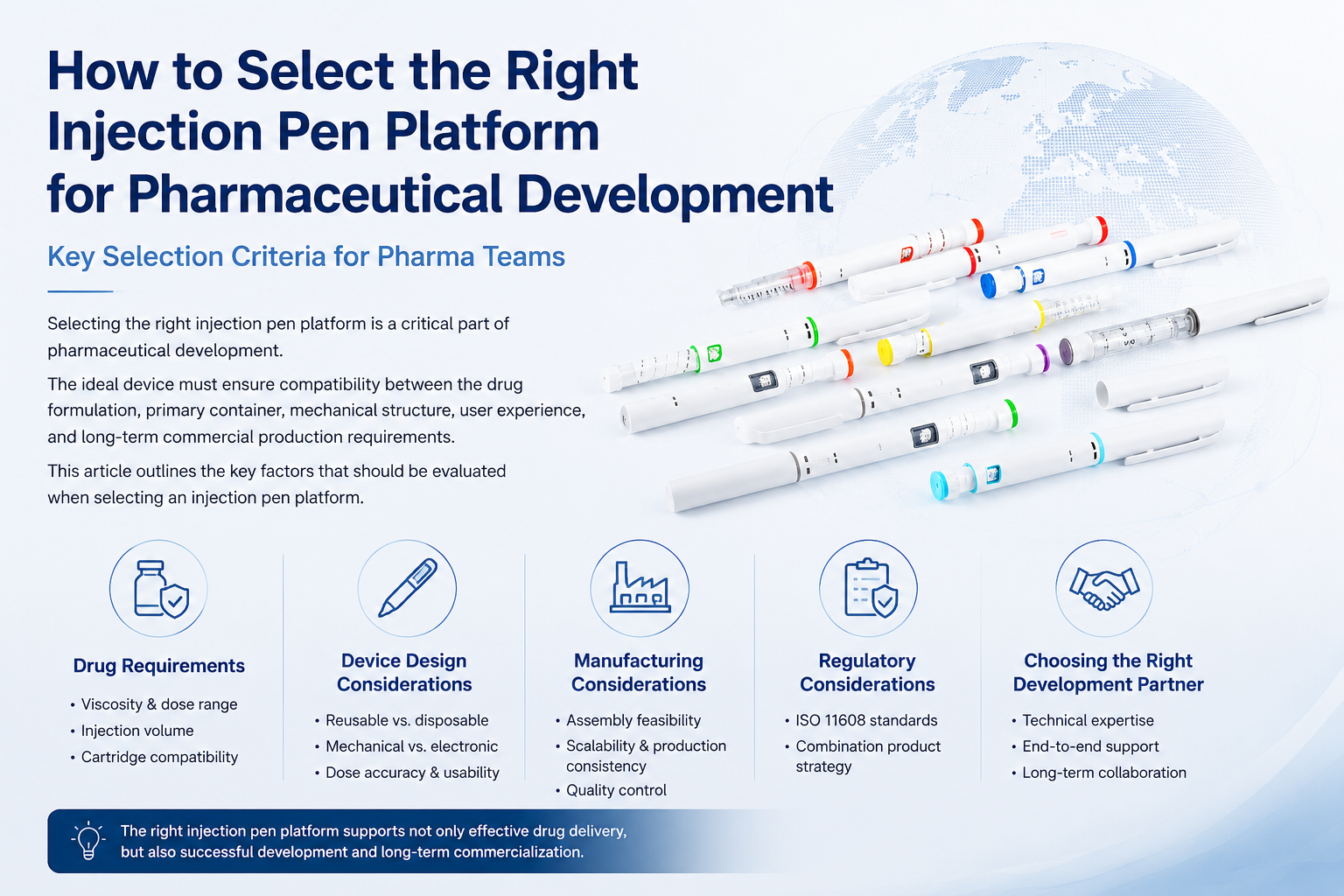
As pharmaceutical companies continue to expand the use of self-administered therapies, selecting an appropriate injection pen platform has become an important part of drug development strategy.
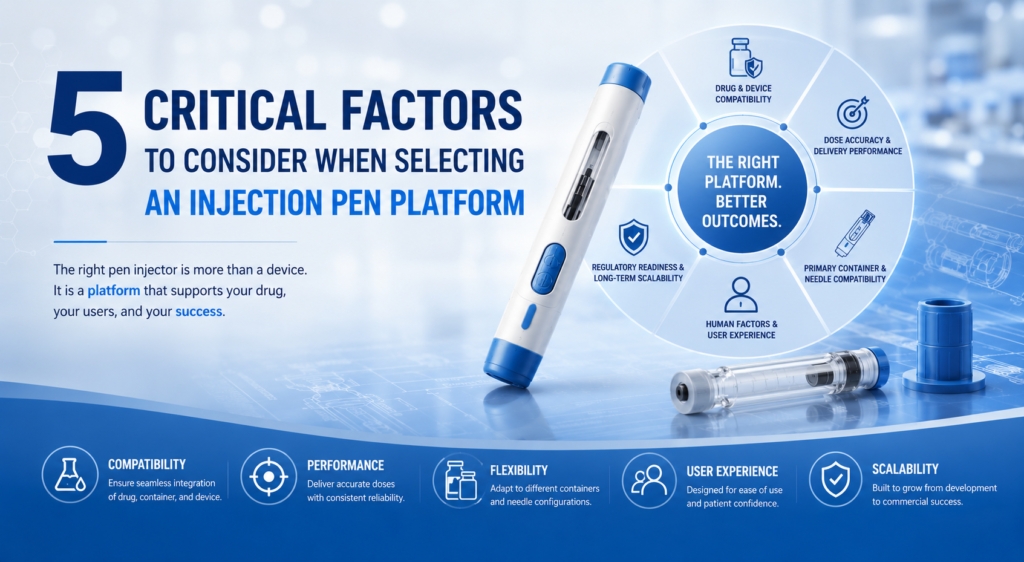
A suitable delivery device is not only responsible for delivering a specific dose. It must ensure compatibility between the drug formulation, primary container, device structure, user requirements, and long-term commercial production needs.
For pharmaceutical teams developing injectable therapies, choosing the right pen injector platform requires consideration across multiple areas, including drug characteristics, device design, manufacturing feasibility, and regulatory requirements.
This article outlines the key factors pharmaceutical teams should evaluate when selecting an injection pen platform that supports both development objectives and future commercialization.
1. Start with Drug Requirements and Delivery Characteristics
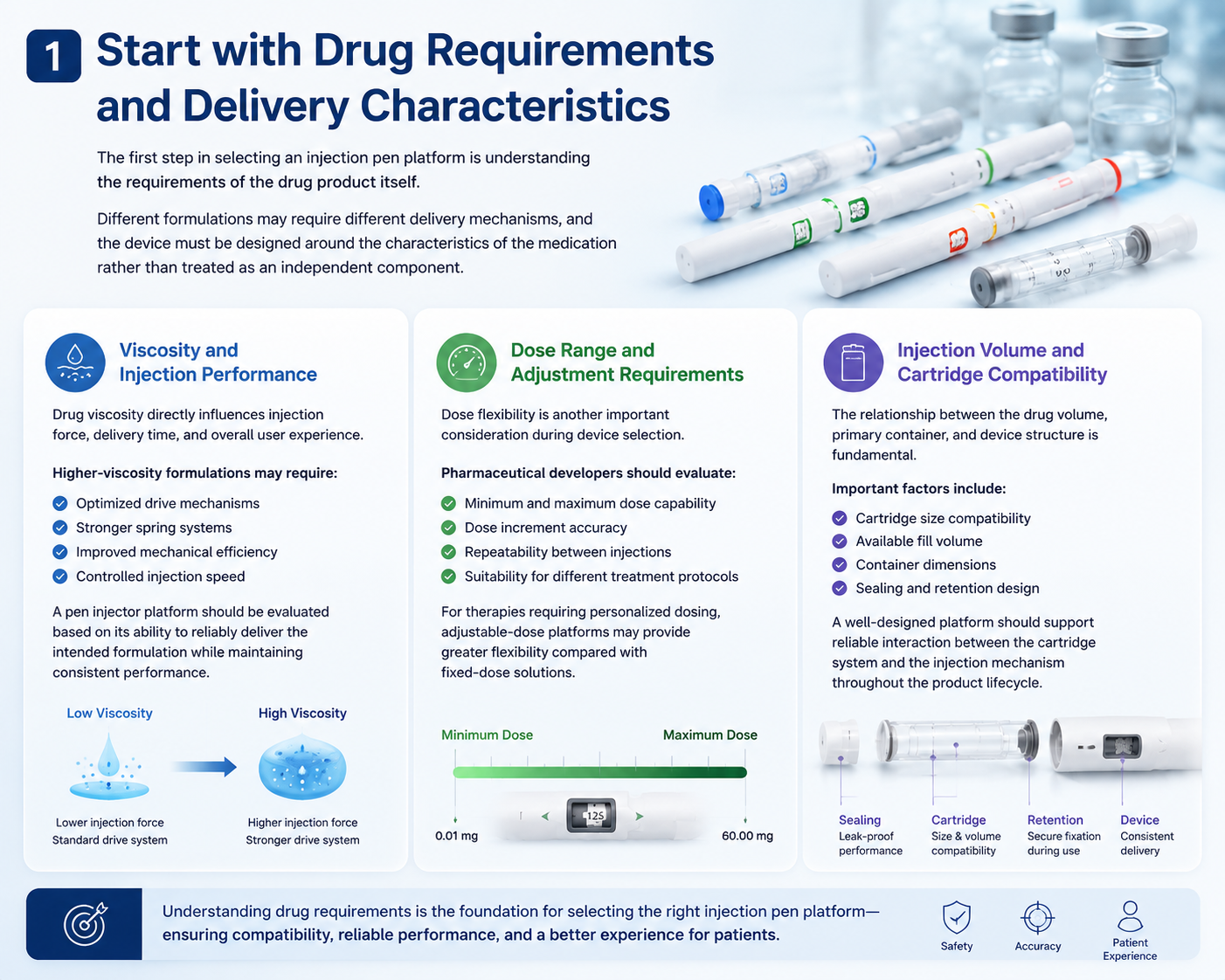
The first step in selecting an injection pen platform is understanding the requirements of the drug product itself. Different formulations may require different delivery mechanisms, and the device should be evaluated based on the specific characteristics of the medication.
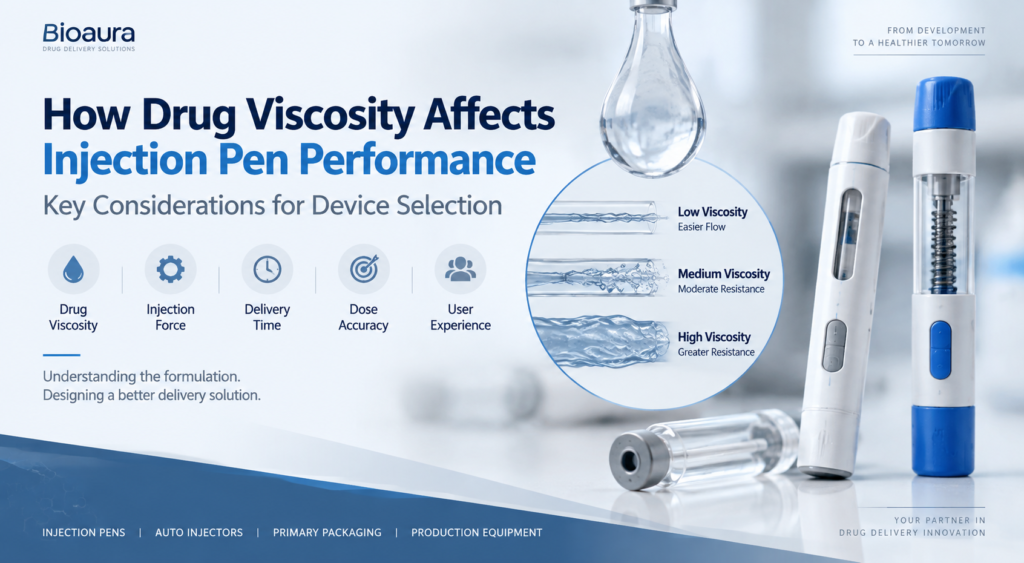
Viscosity and Injection Performance
Drug viscosity directly affects injection force, delivery time, and overall user experience. Higher-viscosity formulations may require optimized drive mechanisms and carefully designed delivery systems to ensure reliable performance.
When evaluating a pen injector platform, pharmaceutical teams should consider:
- Injection force requirements
- Delivery speed control
- Mechanical efficiency
- Consistency across different formulations
Dose Range and Adjustment Requirements
Different therapies may require different dosing strategies. Device selection should consider both current product requirements and potential future development needs.
Important evaluation factors include:
- Minimum and maximum dose capability
- Dose increment accuracy
- Repeatability between injections
- Suitability for personalized dosing requirements
Injection Volume and Cartridge Compatibility
The relationship between the drug volume, primary container, and delivery device is fundamental to successful integration.
Key considerations include:
- Cartridge size compatibility
- Fill volume requirements
- Container dimensions
- Device and cartridge interaction
2. Evaluate Device Design and User Requirements
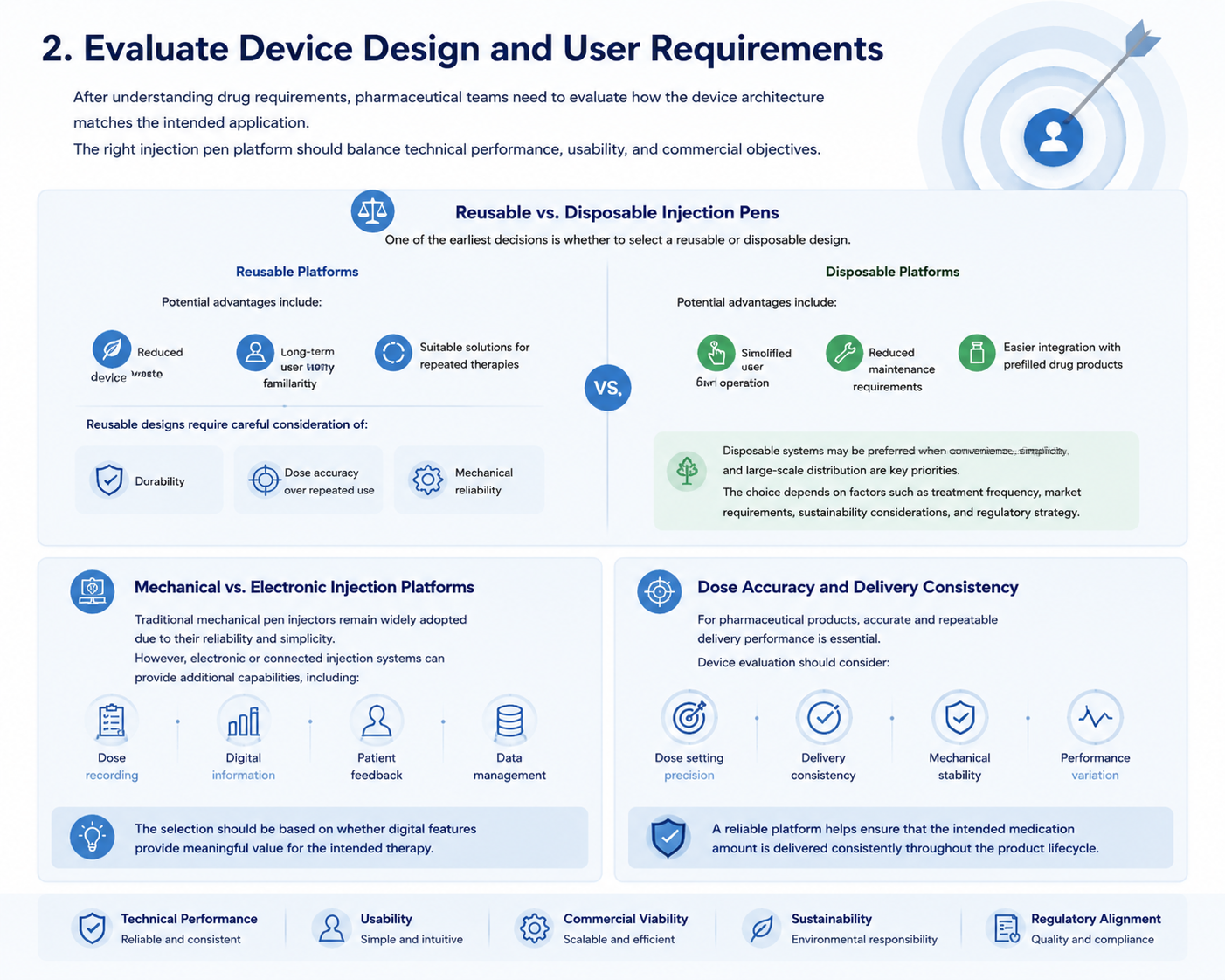
After understanding drug requirements, pharmaceutical companies should evaluate how the device architecture matches the intended application. A successful injection pen platform should balance technical performance, usability, and commercialization objectives.
Reusable vs. Disposable Injection Pens
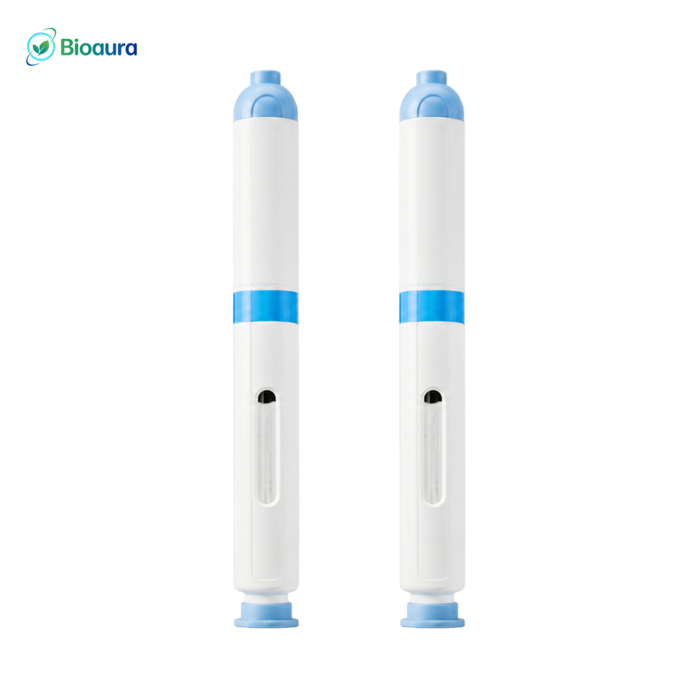
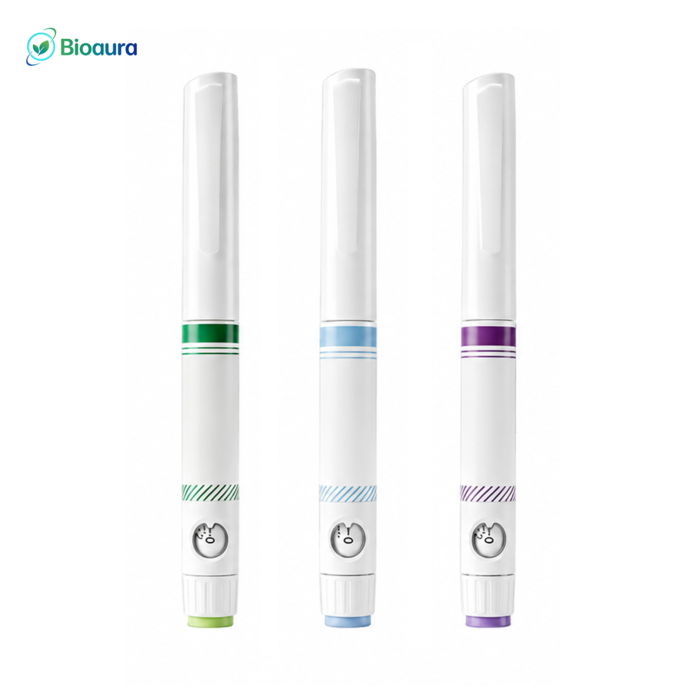
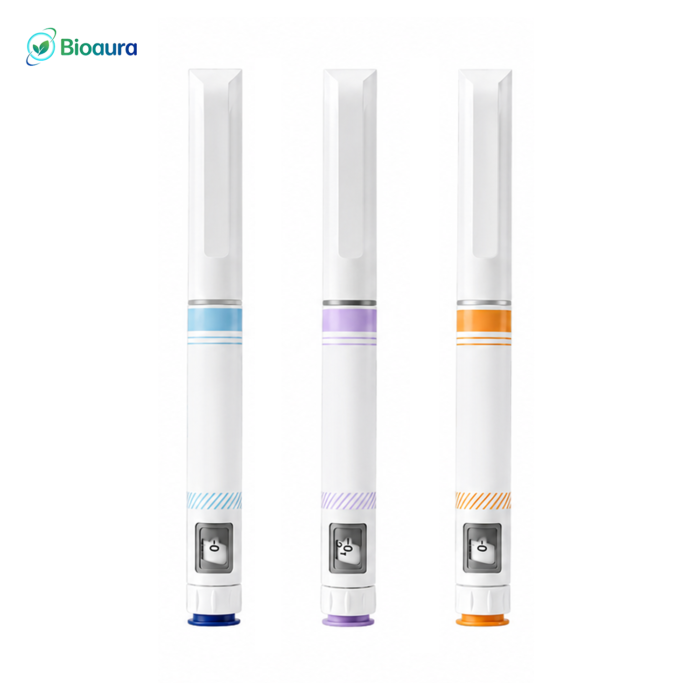
One of the earliest decisions in device selection is choosing between reusable and disposable injection pen designs.
Reusable Injection Pen Platforms
Reusable injection pen platforms may provide advantages such as reduced device waste and long-term user familiarity. However, they require careful evaluation of:
- Mechanical durability
- Dose accuracy over repeated use
- Long-term reliability
Disposable Injection Pen Platforms
Disposable injection pen platforms may be preferred when simplicity, convenience, and large-scale distribution are important considerations.
The choice between reusable and disposable solutions depends on treatment requirements, market strategy, sustainability considerations, and regulatory planning.
Mechanical vs. Electronic Injection Platforms
Traditional mechanical pen injectors remain widely adopted because of their reliability and simplicity.
Electronic or connected injection platforms can provide additional capabilities, including:
- Dose recording
- Digital connectivity
- User feedback
- Data management capabilities
Dose Accuracy and Delivery Consistency
For pharmaceutical products, accurate and repeatable delivery performance is essential.
Device evaluation should consider:
- Dose setting precision
- Delivery consistency
- Mechanical stability
- Performance variation control
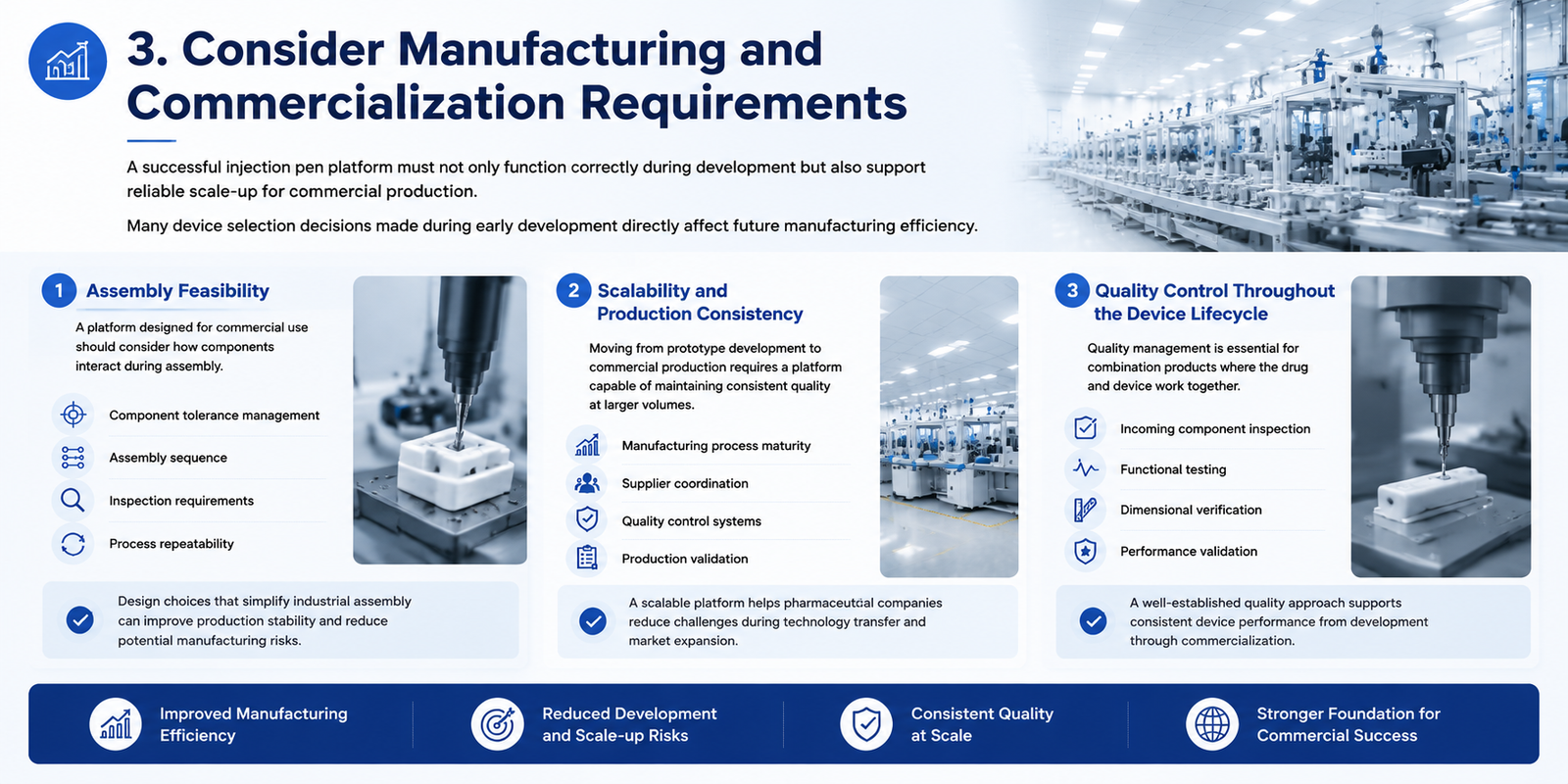
3. Consider Manufacturing and Commercialization Requirements
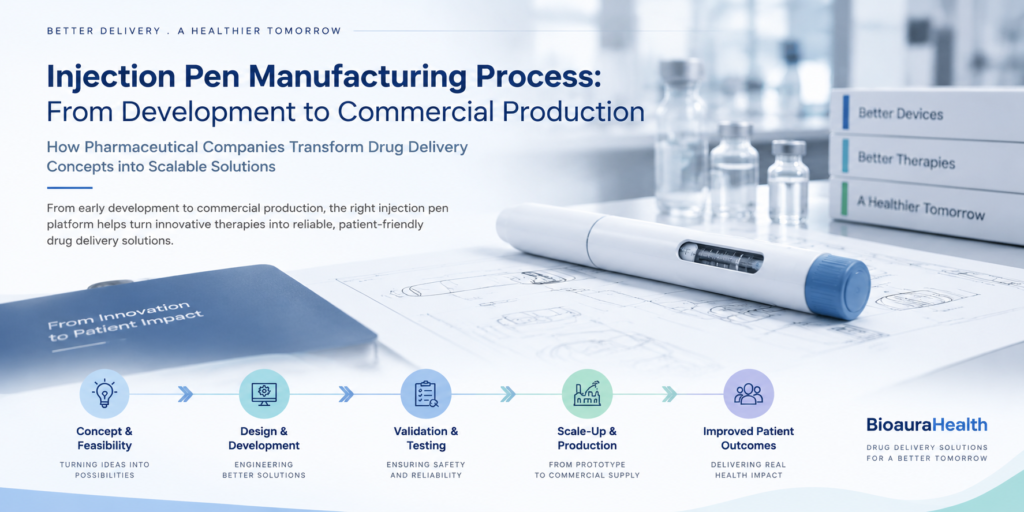
A successful injection pen platform must support not only development requirements but also reliable scale-up for commercial production.
Early consideration of manufacturing feasibility can help pharmaceutical companies reduce risks during technology transfer and commercialization.
Assembly Feasibility
A commercially viable platform should consider how components interact during assembly and production.
Important factors include:
- Component tolerance management
- Assembly sequence optimization
- Inspection requirements
- Process repeatability
Scalability and Production Consistency
Moving from prototype development to commercial production requires a platform capable of maintaining consistent performance at larger volumes.
Key considerations include:
- Manufacturing process maturity
- Supplier coordination
- Quality control systems
- Production validation planning
Quality Control Throughout the Device Lifecycle
Injection devices used with pharmaceutical products require strong quality management throughout development and commercialization.
Typical considerations include:
- Component inspection
- Functional testing
- Dimensional verification
- Performance validation
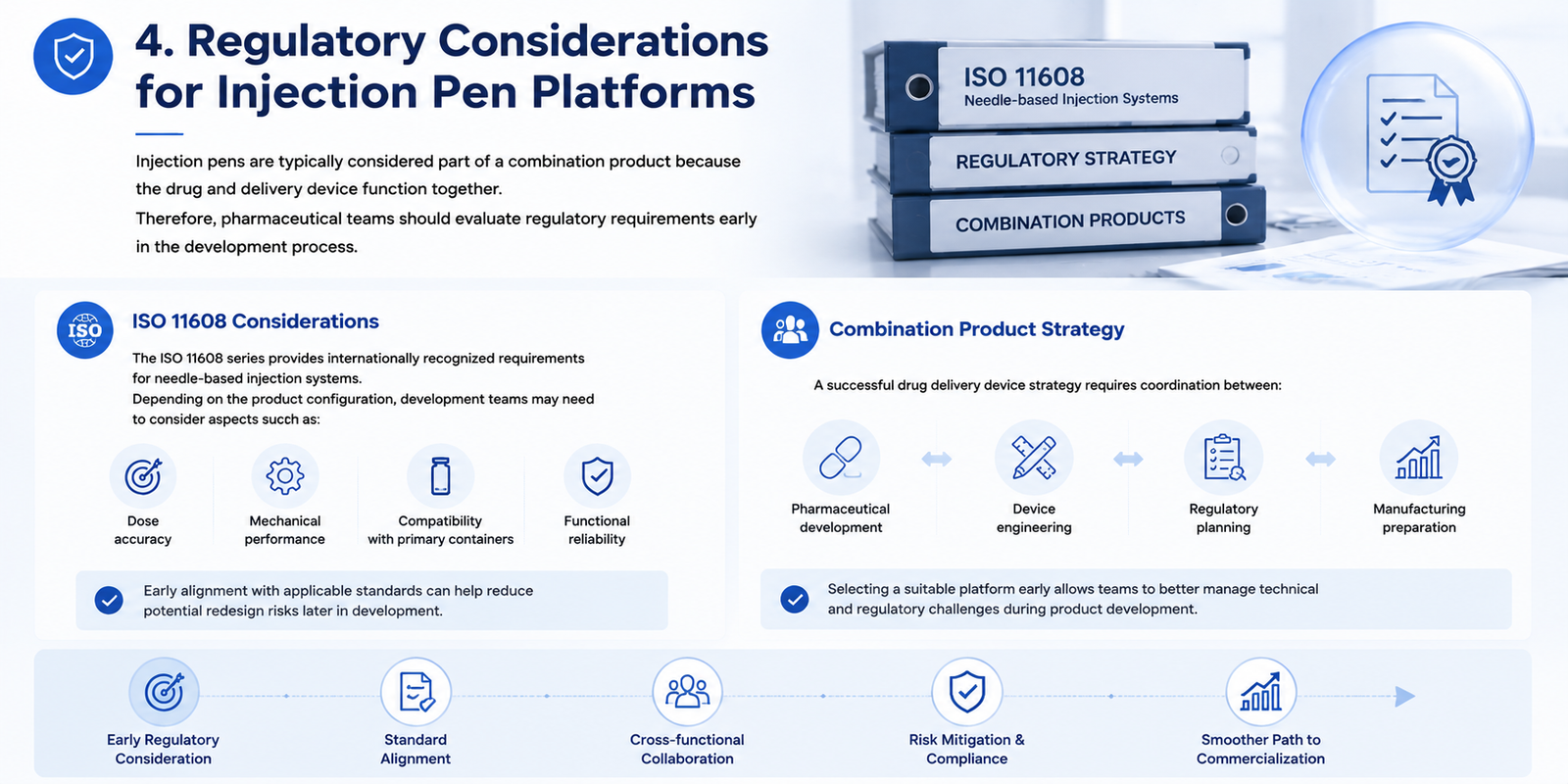
4. Regulatory Considerations for Injection Pen Platforms
Injection pens are commonly considered part of a combination product because the drug and delivery device work together as a complete therapeutic system.
ISO 11608 Considerations
The ISO 11608 series provides internationally recognized requirements for needle-based injection systems. Depending on the product configuration, development teams may need to consider:
- Dose accuracy
- Mechanical performance
- Primary container compatibility
- Functional reliability
Combination Product Strategy
Successful drug delivery development requires coordination between pharmaceutical development, device engineering, regulatory planning, and commercialization preparation.
Selecting a suitable injection pen platform early in the development process can help reduce redesign risks and improve the transition from concept development to commercial production.
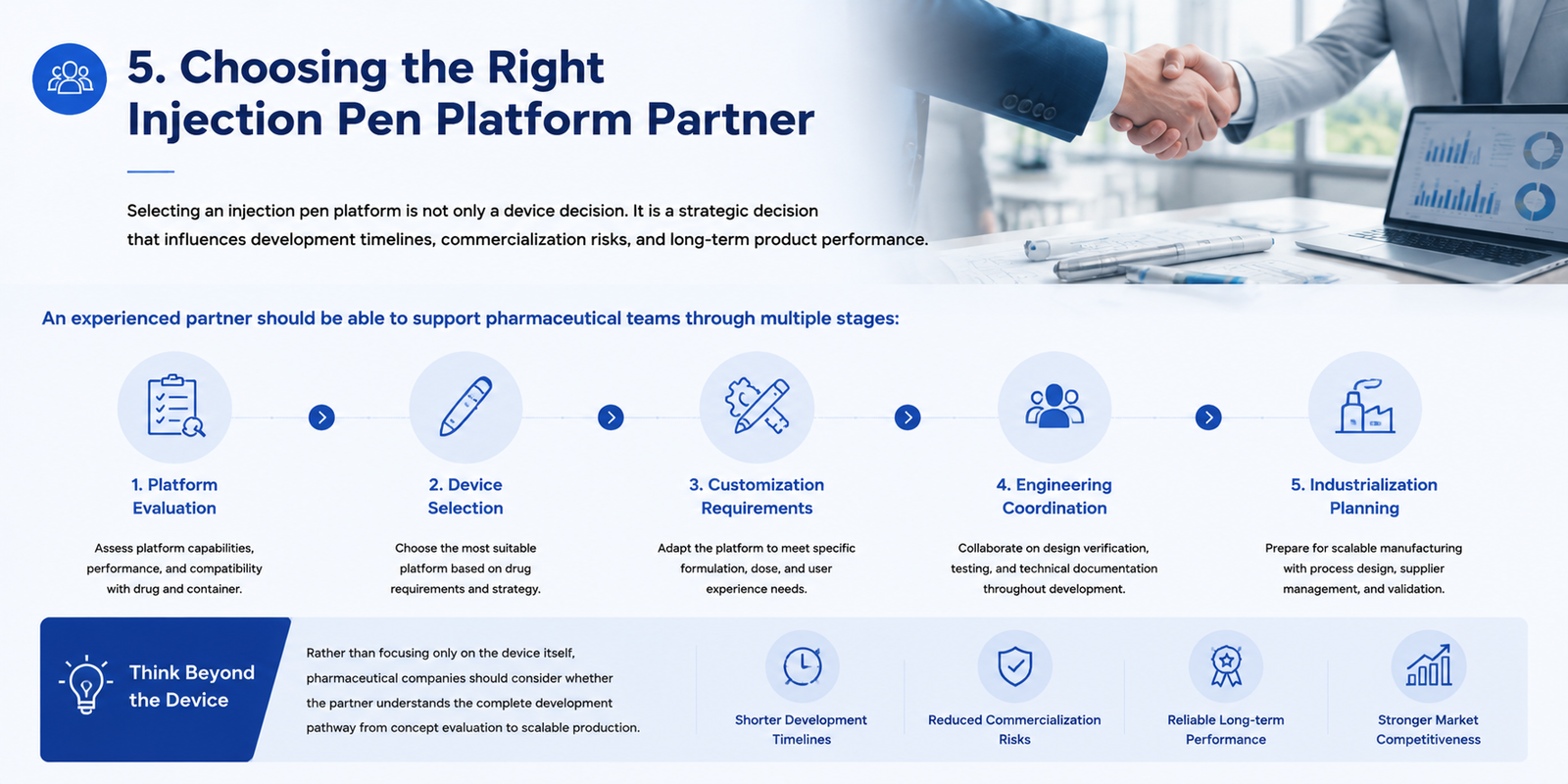
5. Choosing the Right Injection Pen Platform Partner
Selecting an injection pen platform is not only a device decision. It is a strategic decision that influences development timelines, commercialization risks, and long-term product performance.
An experienced partner should support pharmaceutical teams through different development stages, including:
- Platform evaluation
- Device selection
- Customization requirements
- Engineering coordination
- Industrialization planning
Rather than focusing only on the device itself, pharmaceutical companies should consider whether their partner understands the complete development pathway from concept evaluation to scalable production.
Conclusion: Selecting a Platform for Long-Term Success
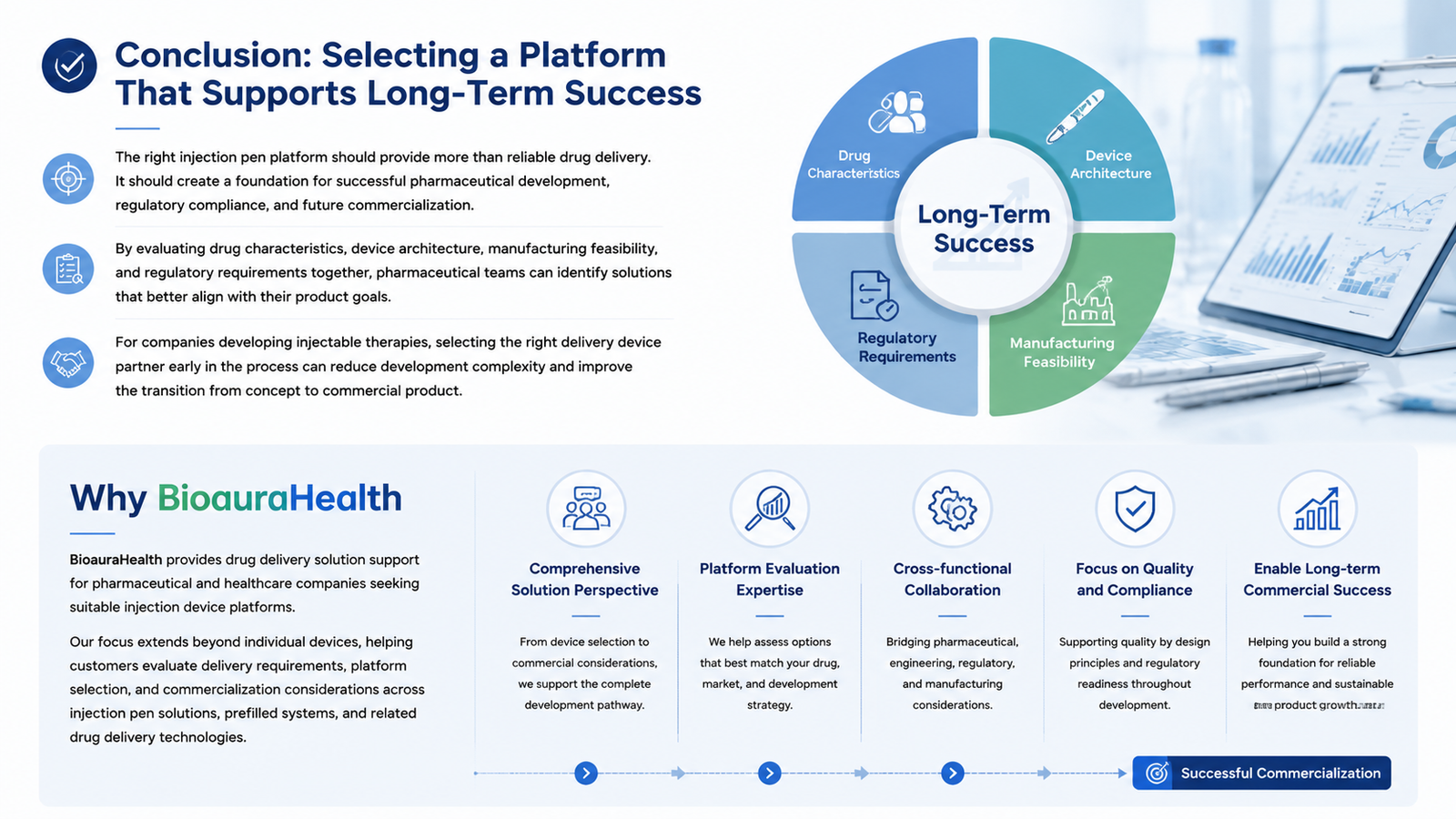
The right injection pen platform should provide more than reliable drug delivery. It should establish a foundation for successful pharmaceutical development, regulatory compliance, and future commercialization.
By evaluating drug characteristics, device architecture, manufacturing feasibility, and regulatory requirements together, pharmaceutical teams can identify solutions that better align with their product goals.
For companies developing injectable therapies, selecting the right delivery device partner early in the process can reduce development complexity and improve the transition from concept to commercial product.
Why BioauraHealth
BioauraHealth provides drug delivery solution support for pharmaceutical and healthcare companies seeking suitable injection device platforms.
Our focus extends beyond individual devices, helping customers evaluate delivery requirements, platform selection, and commercialization considerations across injection pen solutions, prefilled systems, and related drug delivery technologies.